

Type of course:
Digital learning, Lesson
Language:
EN
Duration:
15 minutes
Proficiency:
Beginner
Target:
Manager, Workers, Students
SUMMARY
This lesson explores the concept of human-centricity in manufacturing, focusing on how placing human well-being at the center of industrial processes can lead to improved efficiency and competitiveness. Participants will gain an understanding of the historical evolution of human-centric practices, their relevance to modern manufacturing challenges, and the competitive advantages they offer. The lesson provides actionable insights on how to implement human-centric strategies, fostering a work environment that enhances both employee satisfaction and operational performance. By the end, learners will be equipped to integrate these principles into their own manufacturing processes.

About The Author
Cleantech Bulgaria is a business network focused on clean technologies, innovation and sustainable development, expertising in sustainability education and skills development. Cleantech Bulgaria connects Small and Medium Enterprises (SMEs) and large enterprises, experts, NGOs, entrepreneurs, government and international institutions.
Learning outcomes
- After the end the of this lesson, the participants will be able to articulate the concept of human-centricity and its role in manufacturing.
- After the end the of this lesson, the participants will be able to identify key challenges in modern manufacturing that are addressed through human-centric approaches.
- After the end the of this lesson, the participants will be able to understand of the competitive benefits of adopting human-centric strategies in manufacturing.
Topics
Edge Computing, Composites, Automation and Sensoring, Advanced Manufacturing, Batteries / Energy Storage, Environmental Sustainability, Sustainable Energy and Clean Technologies, Generative AI, Autonomous Mobile Robot (AMR), Automation and Robotics, Remanufacturing, High-Performance Computing (HPC), Photonics, Preparation for Reuse, Exoskeleton, Digital Transformation, Carbon Capture, Utilisation and Storage (CCUS), Machine Learning, Semiconductors, Prevention, Sustainable Manufacturing, Electrolysis, Hydrogen, Prototyping, Biomanufacturing, Responsible Artificial Intelligence, Quantum Computing, Refurbishment, Remote Sensing, Automated Guided Vehicle (AGV), Wireless 5G, Robots, CNC Machining, Robot Operating System (ROS), Material Extrusion, Computer-Aided Design (CAD), Mechanics, Computer-Aided Machinery (CAM), Distributed Computing, Simulation Tools, Extended Reality (ER), Virtual Reality (VR), Computer Vision, Augmented Reality (AR), Big Data, Navigation Systems, Cloud Computing, Cybersecurity, Programming, Data mining, Data Analytics
Tags
Sustainability, Industry 5.0
Provided by
-
Cleantech


Related
-
 Intermediate
Circularity and Information Sharing for Resilient Value Chains
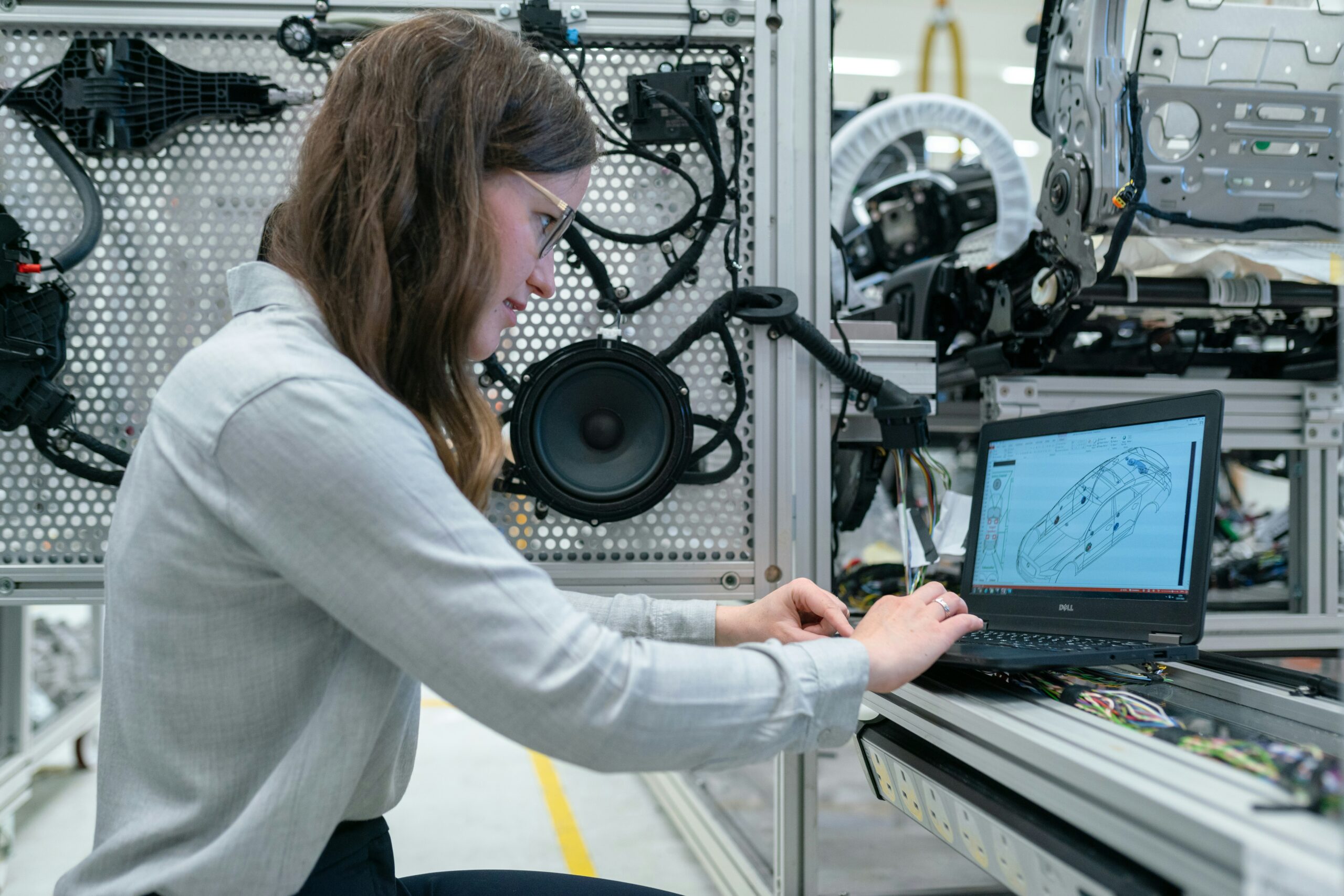
By Faculty of Engineering of University of PortoThis lesson explores strategies for creating circular, sustainable value chains, emphasizing the importance of information sharing and collaboration to build resilience, particularly in critical sectors like automotive and electronics.
Digital learning, Lesson- Quiz1
-
 Intermediate
Augmenting Workers
By Faculty of Engineering of University of PortoThis lesson discusses technologies that enhance human capabilities in the workplace, such as exoskeletons and augmented reality, empowering workers to perform complex tasks more efficiently and safely.
Digital learning, Lesson- Quiz1
-
 Intermediate
Human-Robot Collaboration for Assembly/Disassembly
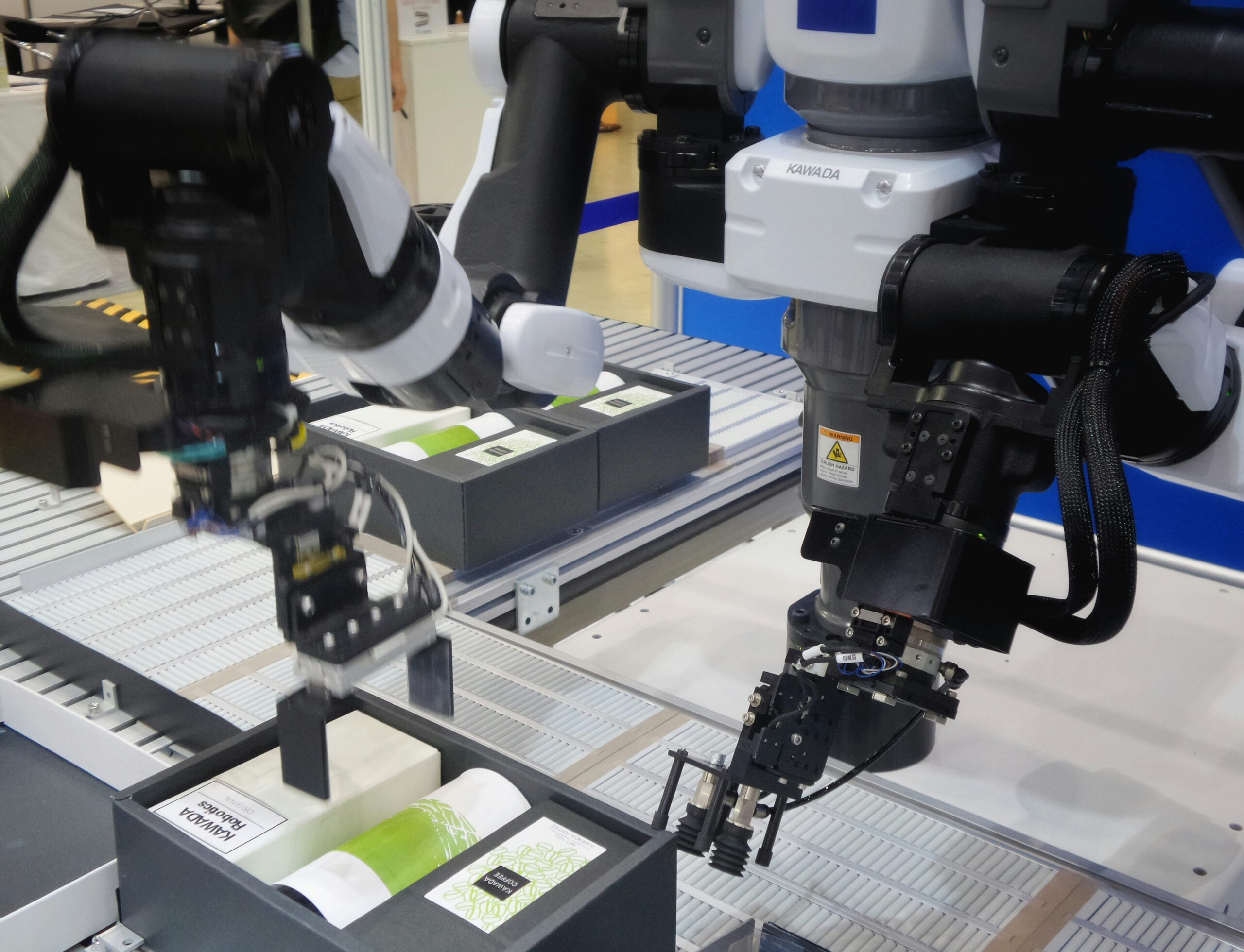
By Faculty of Engineering of University of PortoThis lesson examines the integration of COBOTs (collaborative robots) in industrial processes, explaining how humans and robots can safely and efficiently work together in tasks like assembly and disassembly.
Digital learning, Lesson- Quiz1
-
 Intermediate
Data Analytics for Energy Efficiency and Sustainability
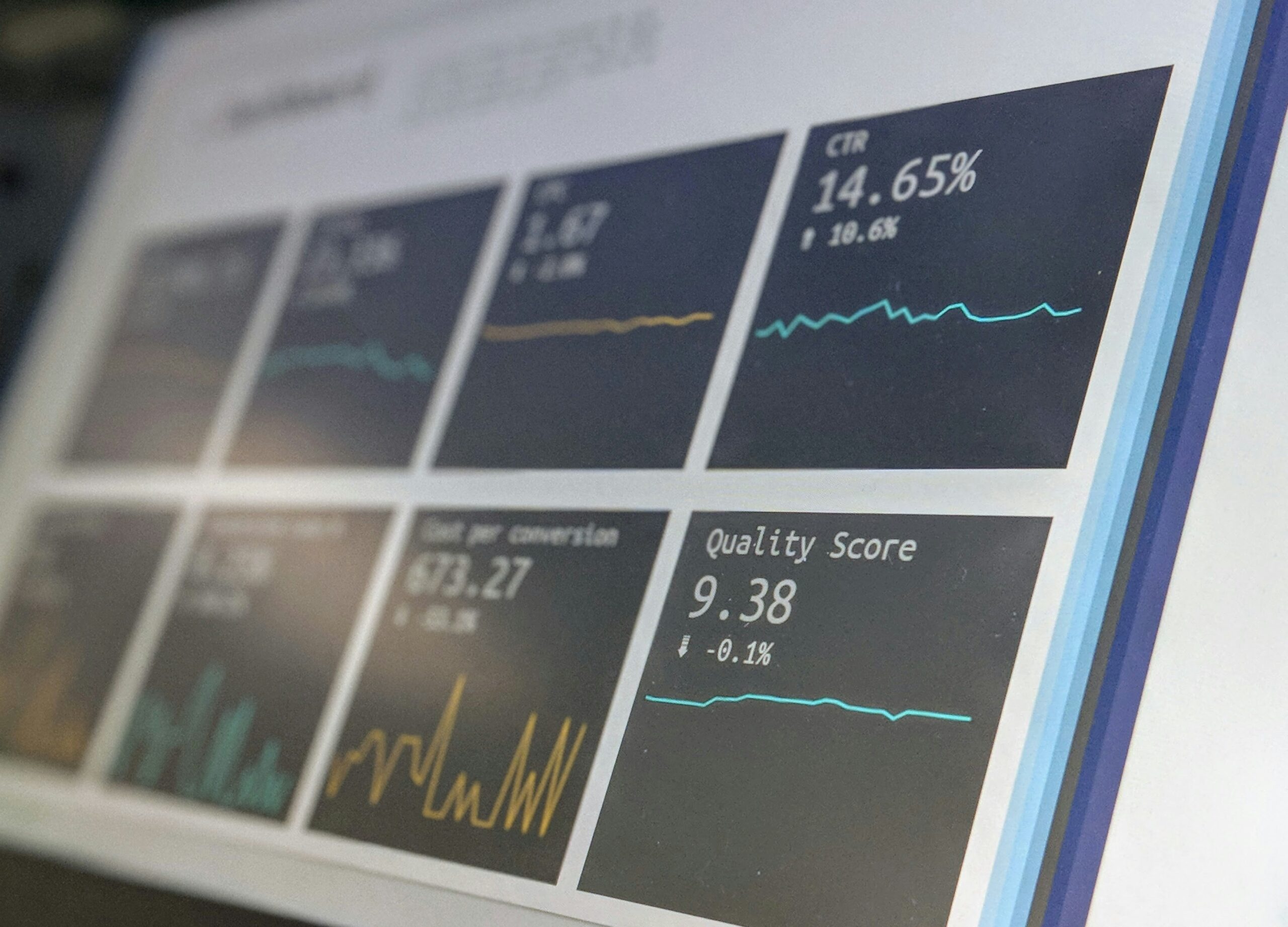
By Faculty of Engineering of University of PortoThis lesson focuses on using real-time data analytics to optimize energy usage in industrial settings, reducing waste, and improving sustainability through smart energy management systems.
Digital learning, Lesson- Quiz1
-
 Intermediate
Digital Technologies Enabling Industry 5.0
By Faculty of Engineering of University of PortoThis lesson introduces key digital technologies driving Industry 5.0, such as AI, IoT, and cobotics, highlighting how they enhance efficiency, sustainability, and human-machine collaboration.
Digital learning, Lesson- Quiz1
-
 Intermediate
Introduction to Industry 5.0
By Faculty of Engineering of University of PortoThis lesson explores the evolution from Industry 4.0 to Industry 5.0, emphasizing human-centric, sustainable, and resilient manufacturing systems, where humans and advanced technologies co-create value.
Digital learning, Lesson- Quiz1
-
 Intermediate
Industry 5.0: Transition to Sustainable, Human-Centric and Resilient Manufacturing
By Faculty of Engineering of University of PortoThis course explores the evolution from Industry 4.0 to Industry 5.0, highlighting the shift towards sustainable, human-centric, and resilient manufacturing practices. Learners will gain a comprehensive understanding of Industry 5.0 fundamentals, focusing on its core principles and distinct differences from previous industrial revolutions. The course delves into the integration of advanced digital technologies, such as real-time data analytics and automation, to enhance energy efficiency and operational sustainability in industrial settings. Participants will learn to identify inefficiencies and propose value-driven improvements. Additionally, the course covers the application of human-robot collaborative systems, emphasizing intelligent collaborative cells that facilitate safe and efficient human-robot interaction, thereby contributing to enhanced resilience in manufacturing processes.
Digital learning, Path- Course Certificate
49 € -
 Intermediate
Augmented Reality Application Development for Equipment Health Monitoring
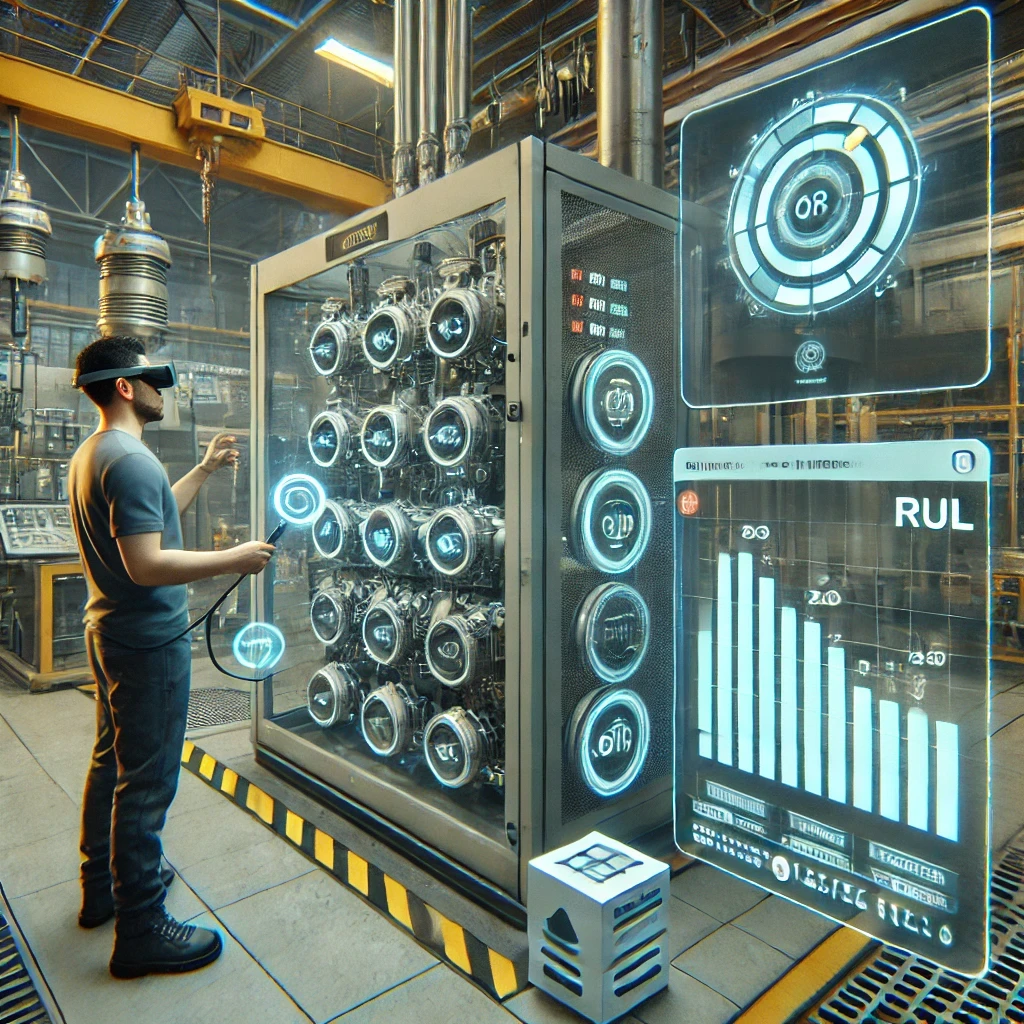
By Laboratory for Manufacturing Systems and Automation of Patras - Laboratory for Manufacturing Systems and Automation of PatrasThis lesson teaches learners how to design Augmented Reality (AR) applications for monitoring equipment health. They will learn to formulate microservices for AR-based monitoring, create data monitoring and visualization workflows, and develop AR modules that provide real-time monitoring of equipment performance.
Digital learning, Lesson -
 Intermediate
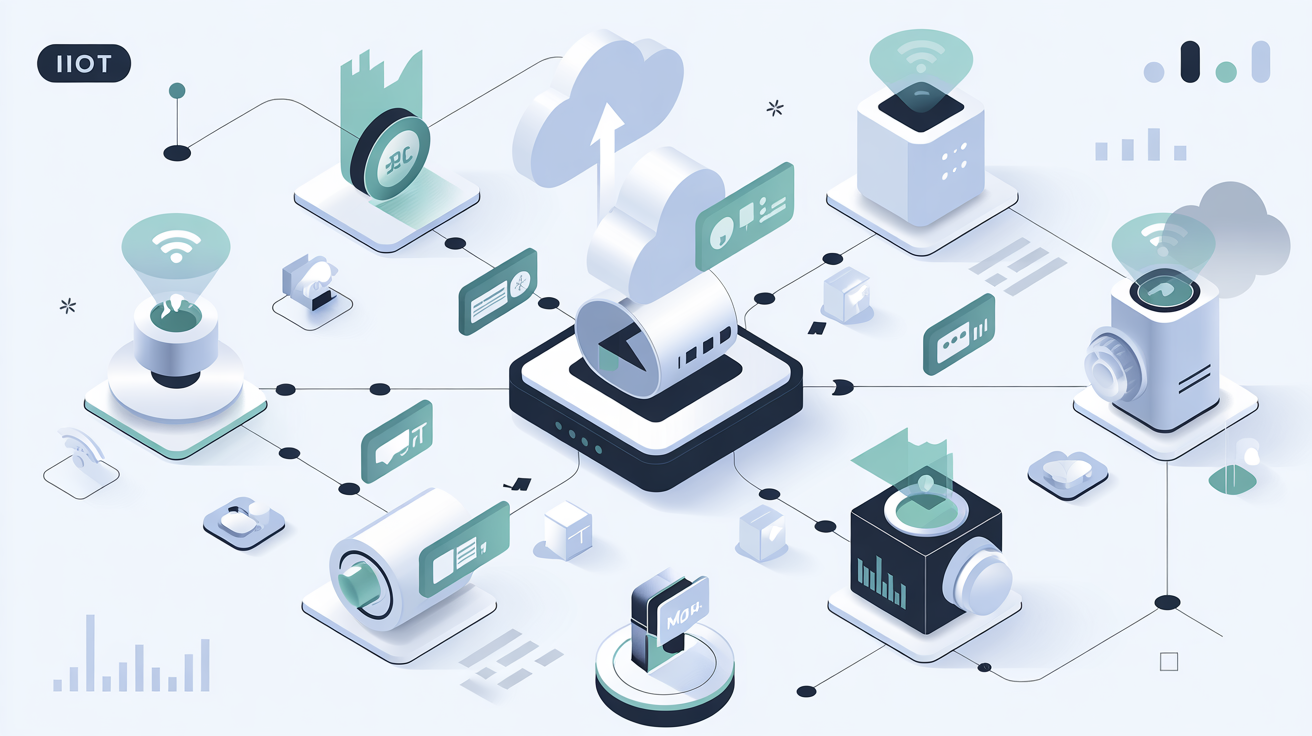
Introduction to MQTT
By Beia Consult InternationalMessage Queuing Telemetry Transport (MQTT) is a lightweight messaging protocol for Internet of Things (IoT), using a publish/subscribe model for efficient, real-time communication. Common uses include smart homes, industrial automation, and environmental monitoring.
Digital learning, Lesson- Quiz1
-
 Intermediate
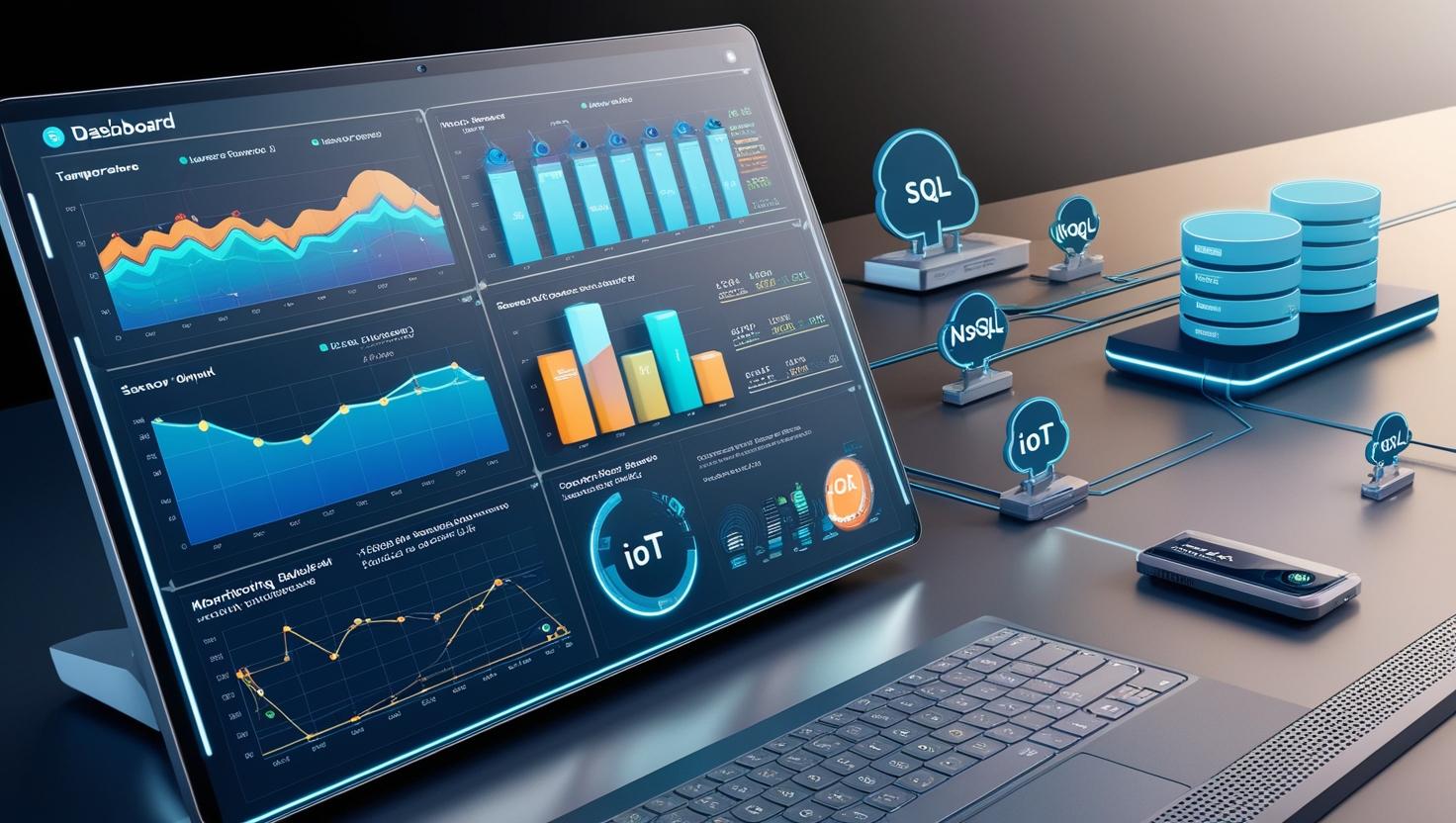
Introduction to Time Series Databases
By Beia Consult InternationalTime Series Databases (TSDBs) efficiently store and retrieve time-stamped data for applications like IoT, monitoring, and finance. They come in SQL-based (e.g., MySQL, PostgreSQL) for structured queries and NoSQL-based (e.g., InfluxDB, MongoDB) for scalability and high-velocity data handling. The choice depends on data volume, query complexity, and scalability needs.
Digital learning, Lesson- Quiz1
-
 Intermediate
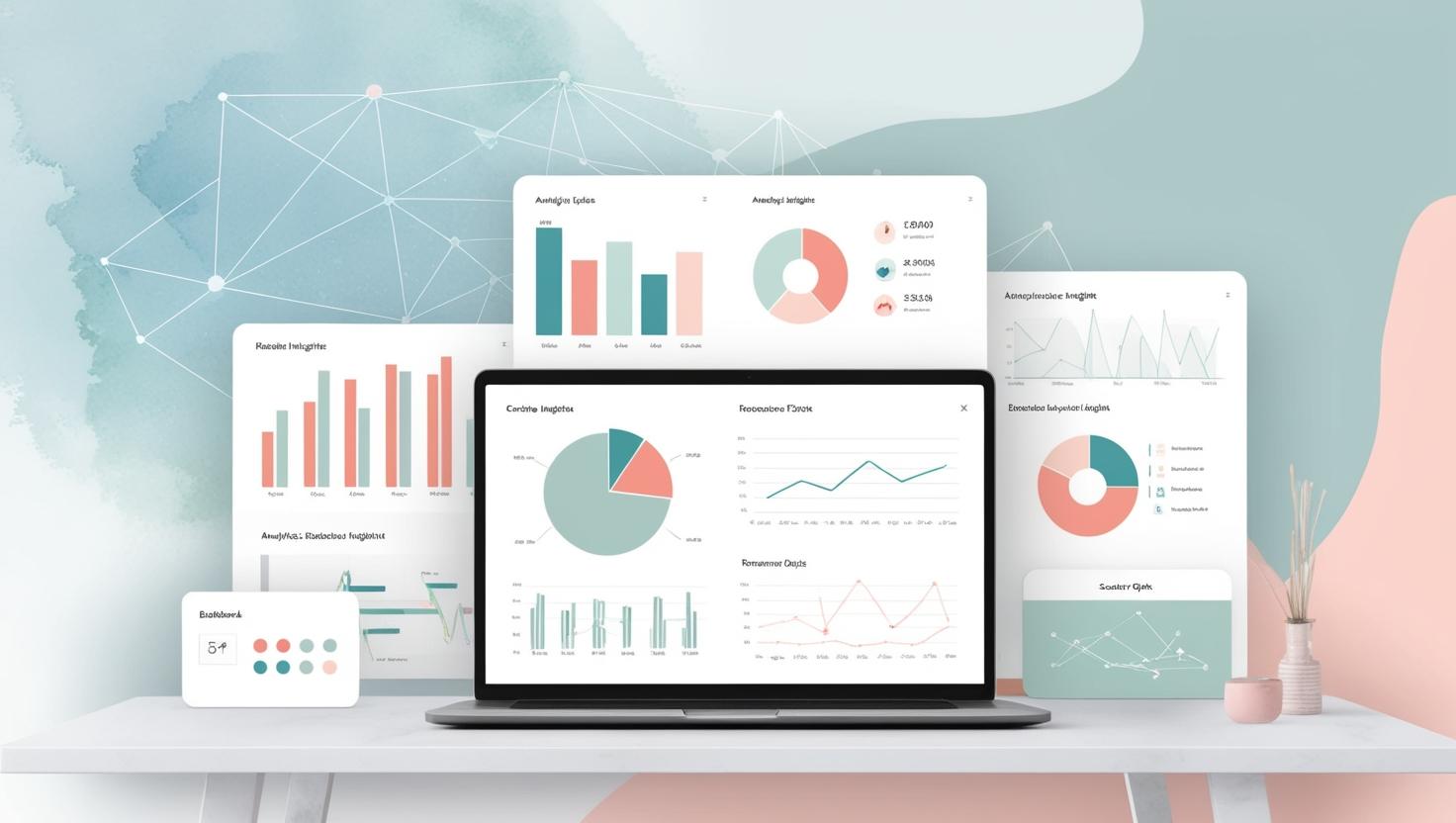
Introduction to Data Visualisation
By Beia Consult InternationalData visualization simplifies complex data through graphs, charts, and dashboards, enabling quick insights for decision-making. Grafana, a powerful open-source tool, supports real-time monitoring, interactive dashboards, and multi-source data integration for IoT, business intelligence, and analytics.
Digital learning, Lesson- Quiz1
-
 Intermediate
How Grafana Is Used in IoT Applications
By Beia Consult InternationalThis course explores how Grafana enhances IoT monitoring with real-time dashboards. Learn to integrate data sources, configure visualizations, and set up alerts for insights in smart homes, industrial IoT, and environmental monitoring.
Digital learning, Lesson- Quiz1