

Type of course:
Digital learning, Lesson
Language:
EN
Duration:
15 minutes
Proficiency:
Intermediate
Target:
Professionals, Workers
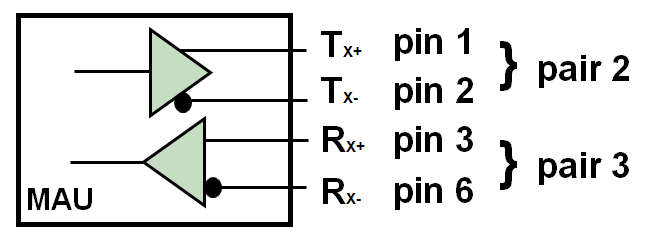
The IEEE 802.3 standard defines several Ethernet physical layer specifications, each catering to different networking environments and media types.
Copper Cable Physical Layers
- 10BASE-T
- Speed: 10 Mbps
- Media: Unshielded Twisted Pair (UTP)
- Max Distance: 100 meters
- 100BASE-TX
- Speed: 100 Mbps
- Media: Two pairs of Category 5 UTP or Type 1 shielded twisted pair
- Max Distance: 100 meters
- 1000BASE-T
- Speed: 1 Gbps
- Media: Four pairs of Category 5e or higher UTP
- Max Distance: 100 meters
- 10GBASE-T
- Speed: 10 Gbps
- Media: Six pairs of Category 6a or higher UTP
- Max Distance: 100 meters
- 100BASE-T4
- Speed: 100 Mbps
- Media: Four pairs of Category 3 UTP
- Max Distance: 100 meters
Fiber Optic Physical Layers
- 10BASE-FL
- Speed: 10 Mbps
- Media: Fiber optic
- Max Distance: 2000 meters
- 100BASE-FX
- Speed: 100 Mbps
- Media: Multimode fiber
- Max Distance: 400 meters
- 1000BASE-SX
- Speed: 1 Gbps
- Media: Multimode fiber
- Max Distance: 550 meters
- 1000BASE-LX
- Speed: 1 Gbps
- Media: Single-mode fiber
- Max Distance: 5 kilometers
- 10GBASE-SR
- Speed: 10 Gbps
- Media: Multimode fiber
- Max Distance: 300 meters
- 10GBASE-LR
- Speed: 10 Gbps
- Media: Single-mode fiber
- Max Distance: 10 kilometers
- 10GBASE-ER
- Speed: 10 Gbps
- Media: Single-mode fiber
- Max Distance: 40 kilometers
Other Media Types
- 10BASE2 (Cheapernet)
- Speed: 10 Mbps
- Media: Thin coaxial cable
- Max Distance: 185 meters
- 10BASE5 (Thicknet)
- Speed: 10 Mbps
- Media: Thick coaxial cable
- Max Distance: 500 meters
Single-pair Ethernet (SPE)
Single-Pair Ethernet (SPE) is a streamlined Ethernet technology designed to meet the growing demand for efficient, cost-effective, and compact networking solutions in industrial and automotive applications. Unlike traditional Ethernet, which uses two or four pairs of wires, SPE requires only a single pair, enabling smaller, lighter, and more flexible cabling.
Single-Pair Cabling
- SPE operates over a single twisted pair of wires, reducing cable bulk and weight.
- This simplicity makes it ideal for space-constrained environments and retrofitting in existing installations.
Ethernet Compatibility
- SPE retains full compatibility with the Ethernet protocol stack, including TCP/IP, ensuring seamless integration with existing Ethernet networks and software.
SPE is defined as part of the IEEE 802.3 standard:
- 10BASE-T1L: Designed for long distances in industrial and building automation (10 Mbps over up to 1000 meters).
- 100BASE-T1: Focused on automotive and short-distance industrial applications (100 Mbps over up to 15 meters).
- 1000BASE-T1: Supports gigabit speeds for automotive and other high-speed use cases.
Course Content
Topics
Provided by
-
Czech Technical University

Related
-
 Intermediate
Augmenting Workers
By Faculty of Engineering of University of PortoThis lesson discusses technologies that enhance human capabilities in the workplace, such as exoskeletons and augmented reality, empowering workers to perform complex tasks more efficiently and safely.
Digital learning, Lesson- Quiz1
-
 Intermediate
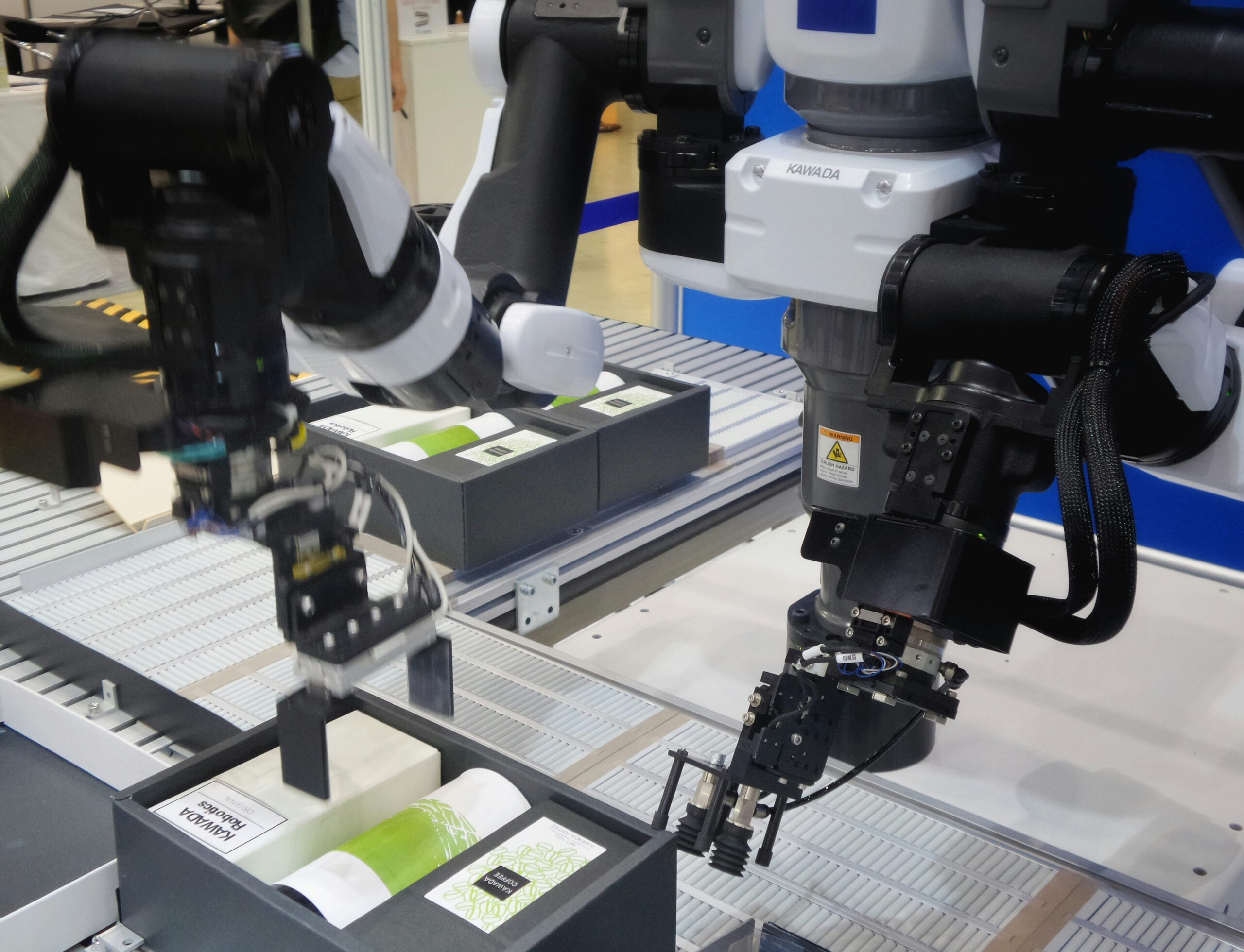
Human-Robot Collaboration for Assembly/Disassembly
By Faculty of Engineering of University of PortoThis lesson examines the integration of COBOTs (collaborative robots) in industrial processes, explaining how humans and robots can safely and efficiently work together in tasks like assembly and disassembly.
Digital learning, Lesson- Quiz1
-
 Intermediate
Introduction to Ethernet
By Czech Technical UniversityThis course covers the basics of Ethernet technology and its application in industrial environments, including how Ethernet integrates with PLCs and higher-level systems. Learners will discover its historical evolution, understand protocol layering, and explore best practices for reliable real-time communication.
Digital learning, Lesson- Quiz1
-
 Beginner
Roboto programavimas regėjimo patikrinimui
By Lukasiewicz ITEEŠis robotikos mokymo kelias apima tokias temas kaip robotų tipai, jų taikymas, robotų judėjimas, komunikacijos metodai, bendradarbiavimo algoritmai ir veiklos sauga. Idealiai tinka studentams ir profesionalams, norintiems įgyti išsamų supratimą apie robotiką.
Digital learning, Path- Course Certificate
49 € -
Intermediate
Programowanie robota do inspekcji wizyjnej
By Lukasiewicz ITEETa ścieżka szkoleniowa dotycząca robotyki obejmuje takie tematy, jak rodzaje robotów, ich zastosowania, ruch robotów, metody komunikacji, algorytmy współpracy i bezpieczeństwo działania. Idealny dla studentów i profesjonalistów, którzy chcą uzyskać kompleksowe zrozumienie robotyki.
Digital learning, Path- Course Certificate
49 € -
 Intermediate
Build a simulated grasping application with machine learning in CoppeliaSim
By Arts et Métiers Institute of TechnologyIt explains, through learning and task nuggets, how to do a grasping application in the robotic simulator CoppeliaSim which interacts with an AI model through ROS. Finally there is a quizz nugget to assess your knowledges on these fields.
Digital learning, Path- Course Certificate
49 € -
Intermediate
Building ROS security awareness
By JOANNEUM RESEARCH - Alias RoboticsThis Learning Path explores ROS communication, Security Vulnerabilities, and Attack scenarios
Digital learning, Path- Course Certificate
49 € -
 Advanced
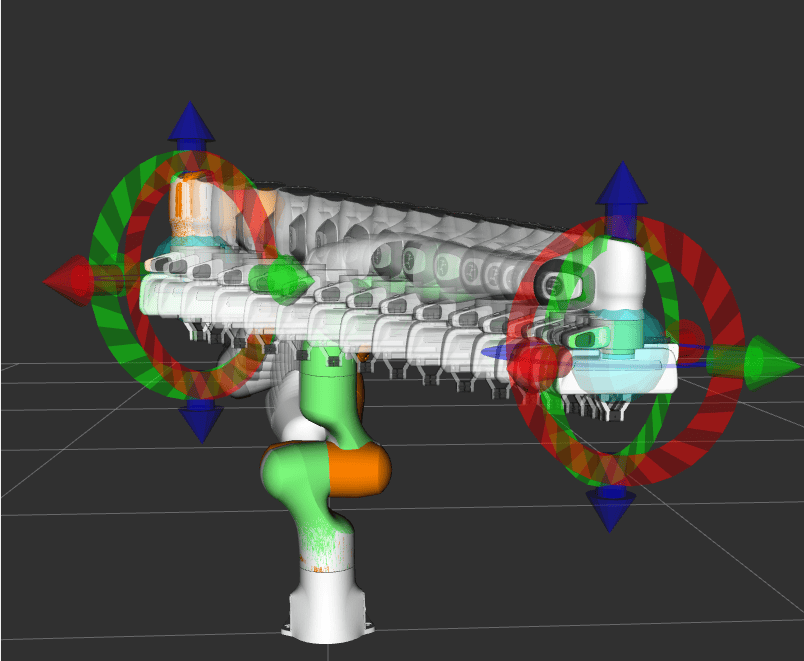
Mobile manipulation with ROS 2
By Czech Technical UniversityThe learner can plan and execute trajectories for mobile robots and robotic manipulators in complex environments with MoveIt 2 / ROS2.
Digital learning, Path- Course Certificate
49 € -
 Advanced
Introduction to manipulator simulators
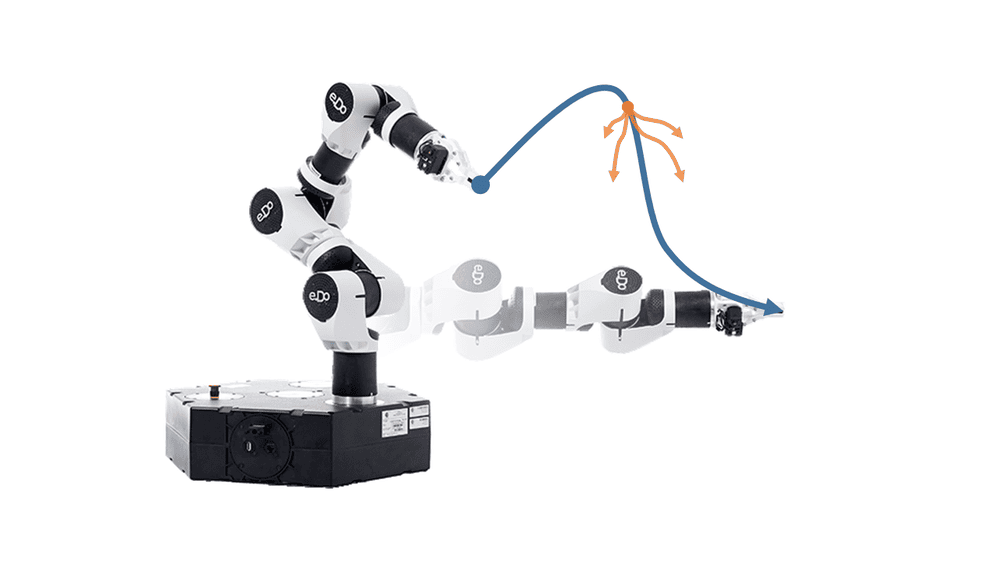
By BIBAThis course presents an overview of manipulator simulators and discusses their features and limits. The learner will be acquainted to configure them and use them for exemplary small scenarios, like following or planning a trajectory.
Digital learning, Path- Course Certificate
49 € -
 Intermediate
Manipulator Motion Planning Part II
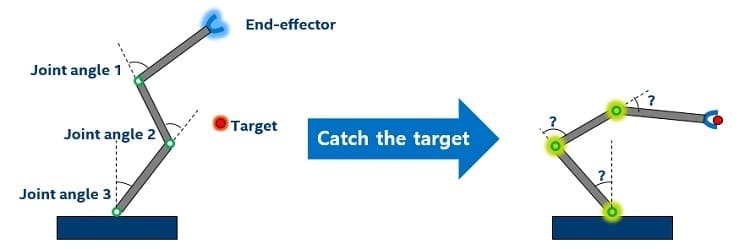
By University of TartuThe Learning Path will cover how to develop a custom Inverse Kinematics solver with Robot Operating System (ROS) and the basics of sampling-based and graphs based planners implemented in MoveIT library of ROS.
Digital learning, Path- Course Certificate
49 € -
 Beginner
Industrial robotics
By Czech Technical UniversityThis learning path consists of following topics: 1. Basic knowledge about cobots in the matter of differnces between industrial robots and their usage in industry 2. Safety rules of cobots
Digital learning, Path- Course Certificate
49 €