

Type of course:
Digital learning, Lesson
Language:
EN
Duration:
2 hours
Proficiency:
Beginner
SUMMARY
In the previous lesson, we established that learning is shaped not only by what learners do, but also by how they feel. This lesson takes the next step: how can those affective states be measured in practice?
Measuring affect is far from straightforward. Emotions, engagement, and learning states cannot be observed directly, and every method used to capture them involves assumptions, trade-offs, and limitations. In educational and industrial settings, these challenges are further amplified by time constraints, learner stress, and ethical responsibilities.
In this lesson, you will explore the main data sources used to measure affect, including self-reports, behavioural data, and physiological or multimodal signals. You will learn how commonly used questionnaires align with different affect models, why some tools are appropriate in certain contexts but not others, and how poor measurement design can lead to biased or unreliable data. The lesson also highlights practical and ethical considerations that are especially relevant in vocational training and workplace learning.
By the end of this lesson, you will be equipped to think critically about affect measurement, not as a purely technical task, but as a design decision that must balance validity, feasibility, and responsibility. This foundation will prepare you to use affective information meaningfully and ethically in adaptive learning systems.

About The Author
Dr Enrique Hortal is an Assistant Professor in the Department of Advanced Computing Sciences at Maastricht University. His academic and research work focuses on affective computing, brain–computer interfaces, and machine learning for the analysis of physiological and brain signals. He brings extensive experience in computational intelligence and human-centred AI, combining theoretical foundations with practical applications in emotion recognition and intelligent systems.
Learning outcomes
- Identify and compare self-reports, behavioural data, and physiological signals as sources for affect measurement
- Design a basic, context-appropriate affect measurement strategy for educational or industrial training
- Recognise and address methodological, ethical, and practical challenges in affect data collection
Topics
Uncategorized
Course Includes
- 1 Quiz
Related
-
 Intermediate
Circularity and Information Sharing for Resilient Value Chains
By Faculty of Engineering of University of PortoThis lesson explores strategies for creating circular, sustainable value chains, emphasizing the importance of information sharing and collaboration to build resilience, particularly in critical sectors like automotive and electronics.
Digital learning, Lesson- Quiz1
-
 Intermediate
Augmenting Workers
By Faculty of Engineering of University of PortoThis lesson discusses technologies that enhance human capabilities in the workplace, such as exoskeletons and augmented reality, empowering workers to perform complex tasks more efficiently and safely.
Digital learning, Lesson- Quiz1
-
 Intermediate
Human-Robot Collaboration for Assembly/Disassembly
By Faculty of Engineering of University of PortoThis lesson examines the integration of COBOTs (collaborative robots) in industrial processes, explaining how humans and robots can safely and efficiently work together in tasks like assembly and disassembly.
Digital learning, Lesson- Quiz1
-
 Intermediate
Data Analytics for Energy Efficiency and Sustainability
By Faculty of Engineering of University of PortoThis lesson focuses on using real-time data analytics to optimize energy usage in industrial settings, reducing waste, and improving sustainability through smart energy management systems.
Digital learning, Lesson- Quiz1
-
 Intermediate
Digital Technologies Enabling Industry 5.0
By Faculty of Engineering of University of PortoThis lesson introduces key digital technologies driving Industry 5.0, such as AI, IoT, and cobotics, highlighting how they enhance efficiency, sustainability, and human-machine collaboration.
Digital learning, Lesson- Quiz1
-
 Intermediate
Introduction to Industry 5.0
By Faculty of Engineering of University of PortoThis lesson explores the evolution from Industry 4.0 to Industry 5.0, emphasizing human-centric, sustainable, and resilient manufacturing systems, where humans and advanced technologies co-create value.
Digital learning, Lesson- Quiz1
-
 Intermediate
Industry 5.0: Transition to Sustainable, Human-Centric and Resilient Manufacturing
By Faculty of Engineering of University of PortoThis course explores the evolution from Industry 4.0 to Industry 5.0, highlighting the shift towards sustainable, human-centric, and resilient manufacturing practices. Learners will gain a comprehensive understanding of Industry 5.0 fundamentals, focusing on its core principles and distinct differences from previous industrial revolutions. The course delves into the integration of advanced digital technologies, such as real-time data analytics and automation, to enhance energy efficiency and operational sustainability in industrial settings. Participants will learn to identify inefficiencies and propose value-driven improvements. Additionally, the course covers the application of human-robot collaborative systems, emphasizing intelligent collaborative cells that facilitate safe and efficient human-robot interaction, thereby contributing to enhanced resilience in manufacturing processes.
Digital learning, Path- Course Certificate
49 € -
 Intermediate
Augmented Reality Application Development for Equipment Health Monitoring
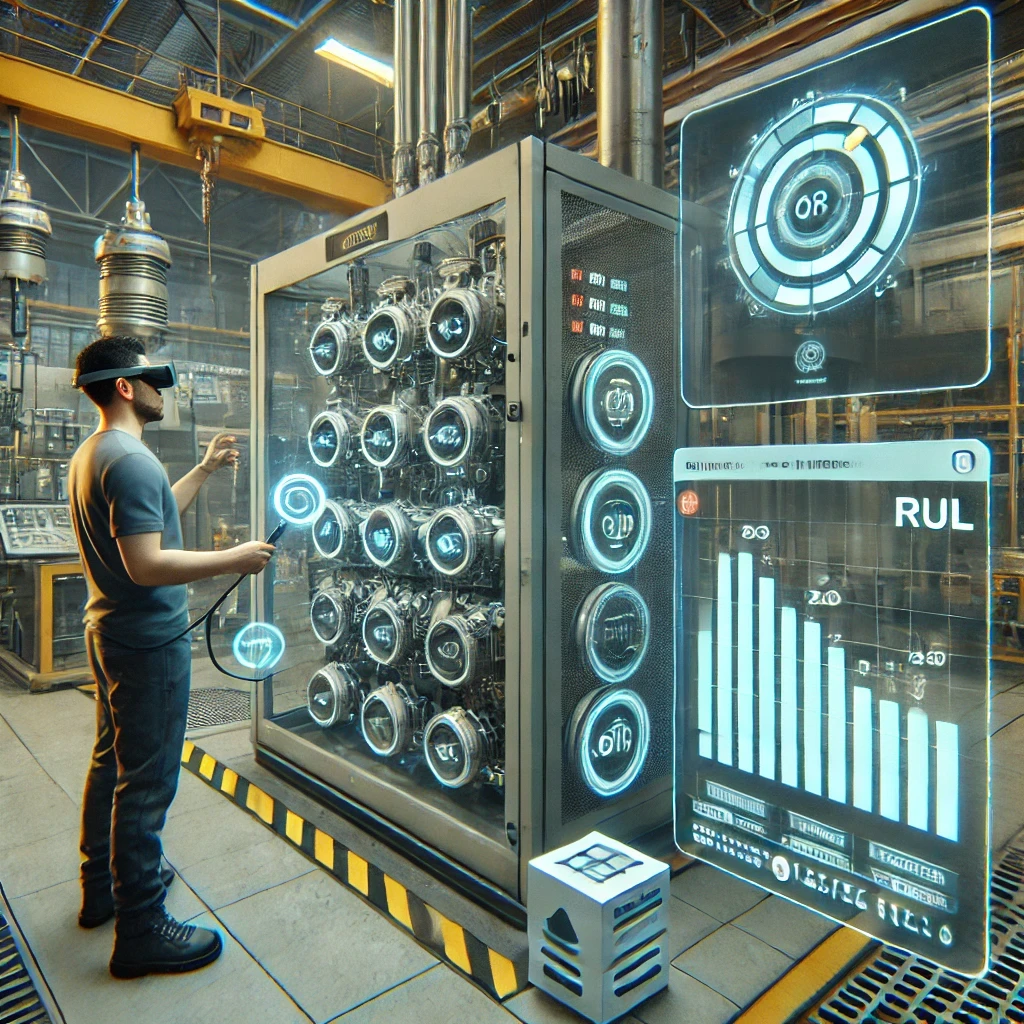
By Laboratory for Manufacturing Systems and Automation of Patras - Laboratory for Manufacturing Systems and Automation of PatrasThis lesson teaches learners how to design Augmented Reality (AR) applications for monitoring equipment health. They will learn to formulate microservices for AR-based monitoring, create data monitoring and visualization workflows, and develop AR modules that provide real-time monitoring of equipment performance.
Digital learning, Lesson -
 Intermediate
Introduction to MQTT
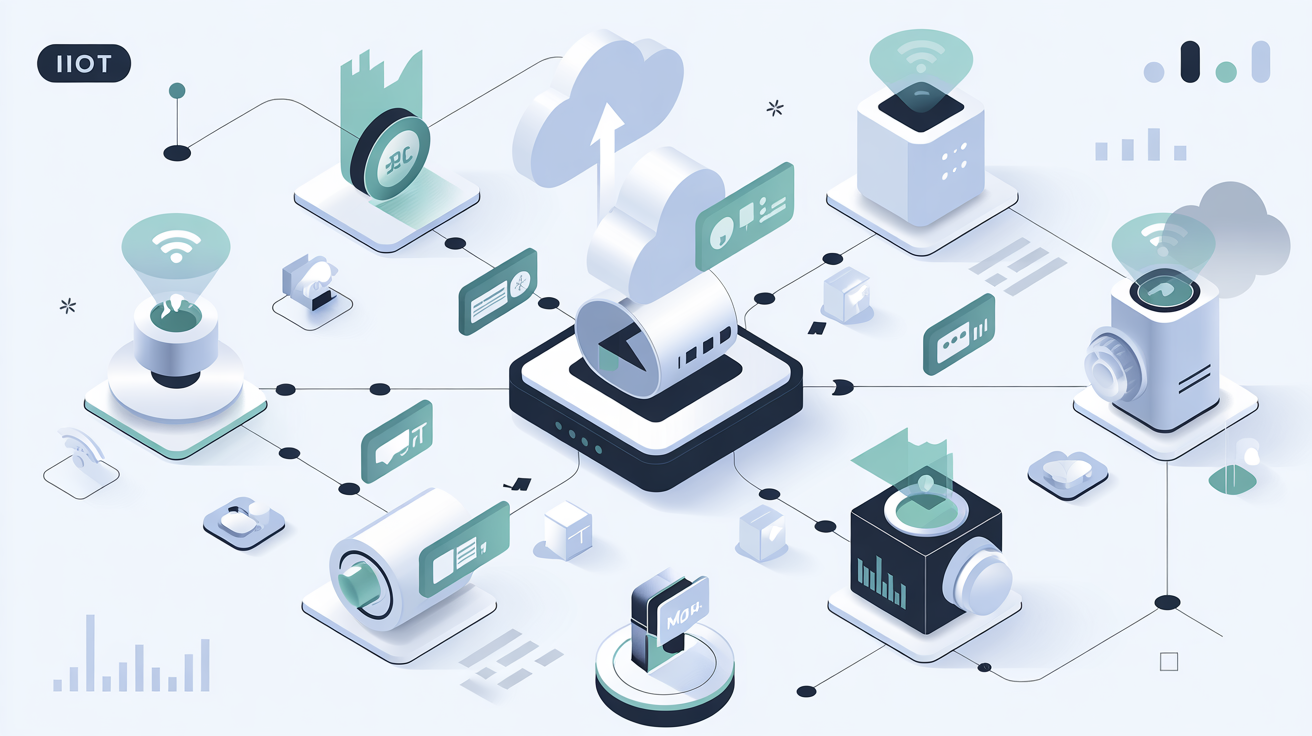
By Beia Consult InternationalMessage Queuing Telemetry Transport (MQTT) is a lightweight messaging protocol for Internet of Things (IoT), using a publish/subscribe model for efficient, real-time communication. Common uses include smart homes, industrial automation, and environmental monitoring.
Digital learning, Lesson- Quiz1
-
 Intermediate
Introduction to Time Series Databases
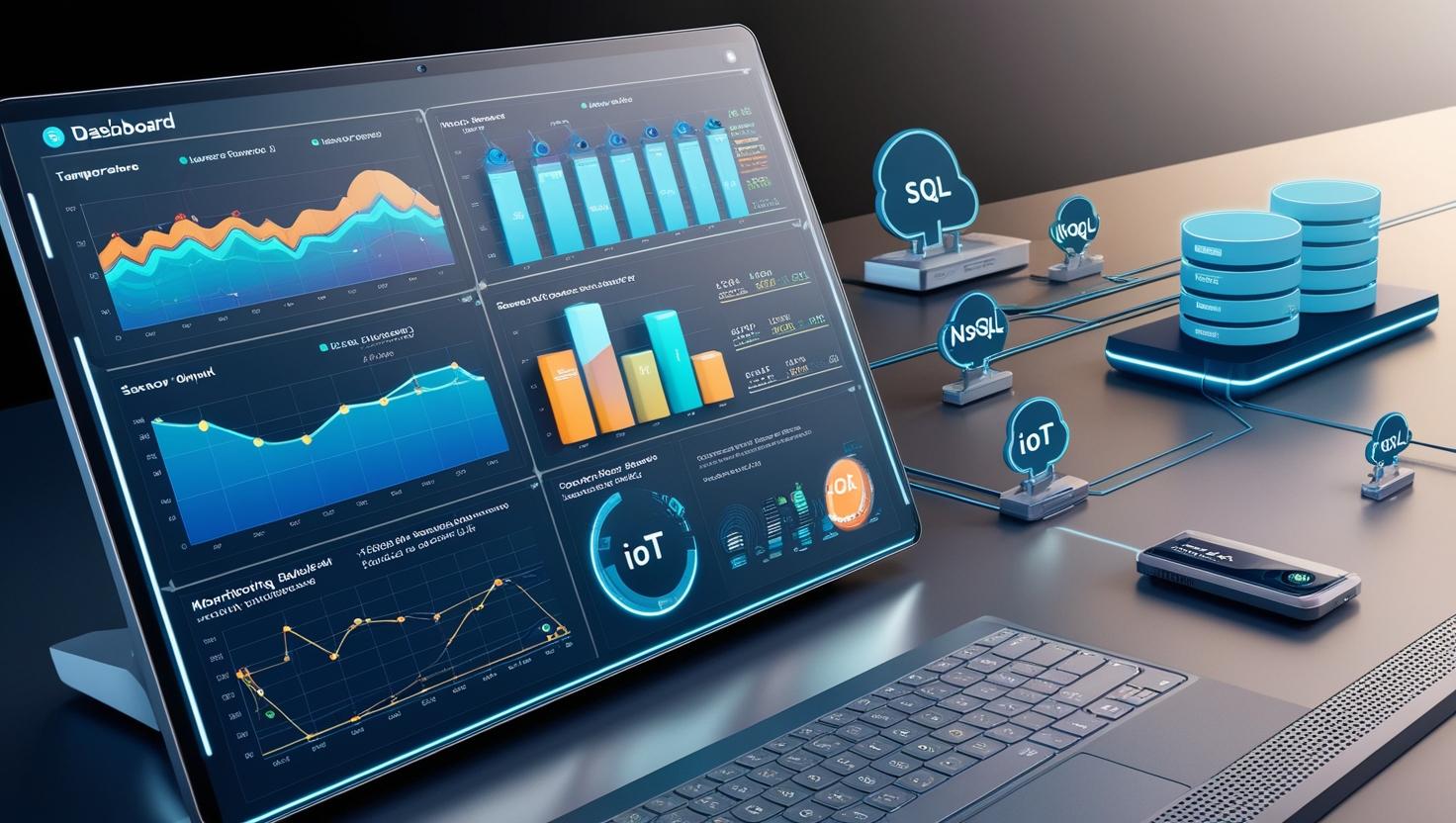
By Beia Consult InternationalTime Series Databases (TSDBs) efficiently store and retrieve time-stamped data for applications like IoT, monitoring, and finance. They come in SQL-based (e.g., MySQL, PostgreSQL) for structured queries and NoSQL-based (e.g., InfluxDB, MongoDB) for scalability and high-velocity data handling. The choice depends on data volume, query complexity, and scalability needs.
Digital learning, Lesson- Quiz1