

Type of course:
Digital learning, Lesson
Language:
EN
Duration:
2 hours, 30 minutes
Workload:
6 hours
Proficiency:
Intermediate
Target:
Workers, Professionals
SUMMARY
Portal-XR: Immersive VR Training for Port Operators is a dynamic digital learning path designed to enhance the skills and safety awareness of port workers through immersive virtual reality experiences. In 2.5 hours of structured learning and approximately 6 hours of total engagement, intermediate-level learners will explore the complexities of modern port operations. Tailored for crane operators, cargo handlers, safety officers and port personnel, the course focuses on key competencies, such as hazardous material handling, emergency response, STS crane operation, and effective team communication. By the end, participants will be equipped with the practical knowledge and situational awareness needed to navigate high-risk port environments safely and efficiently.
Proficiency level:
Advanced technical expertise is not necessary. A basic understanding of digital tools and an interest in innovation and/or immersive media are sufficient.
Familiarity with XR or Unity is beneficial but not essential.
Basic level of English is adequate.
Experience or certification for STS crane handler is mandatory.
About the Authors:
Embedded Systems & Applications Lab – University of the Peloponnese, Greece
Panagiota Polymeropoulou, Senior Researcher, collaborating with ESDA LAB – University of the Peloponnese, Greece. She has received her M.Sc. with honours in Cultural Informatics and Communication from the University of the Aegean. She has over 11 years of experience in the research, management and implementation of EU-funded R&D projects, focusing on digital cultural heritage, e-learning, ICT skills and immersive technologies. Her expertise also includes methodologies & instructional design of online courses.
Vicky Maratou, Senior Researcher, collaborating with ESDA LAB – University of the Peloponnese, Greece. She holds a Master’s degree in Information Systems. Her research interests and professional expertise focus on e-learning technologies, the instructional design of Massive Open Online Courses (MOOCs), and the development of educational simulations and games in 3D virtual environments. In the context of EU-funded projects, she has developed 3D educational simulations for project management, information security and natural hazards awareness.
BYTELEPA S.R.L, Romania
Christos Panagiotou received his diploma in Computer Engineering and Informatics from the University of Patras, Greece. He has over 15 years of experience in design and developing ICT solutions in the fields of smart cities, e-Health, industrial applications and enterprise software utilising cutting-edge technologies in the fields of web, IoT and distributed systems. His research activities have been funded in the context of numerous research projects of national and European funding.
Dimitris Karadimas received a B.Sc. and M.Sc. in Electrical Engineering from the Department of Electrical and Computer Engineering (University of Patras, Greece). He has over 15 years of experience in research, development and implementation of ICT projects at the national or European level. He is an expert in embedded systems, web technologies and platforms with a deep understanding of the inherent complexity of large projects. Within the scope of R&D projects, he has participated in the conceptualisation and implementation of projects in the following areas: RFIDs, IoT, e-Health and e-Learning.
Thessaloniki Port Authority S.A., Greece
Eirini Tserga holds degrees in Geoinformatics, Environmental Management, and a Shipping MBA. She has served as EU Projects Coordinator at ThPA S.A. since 2021. She manages proposal writing and project coordination within the Treasury & Investor Relations department. She is affiliated with WISTA and EETEM.
Learning outcomes
- By the end of this course, learners will be aware of the operations and safety protocols in port environments.
- By the end of this course, learners will be able to apply safe handling of hazardous material and equipment procedures in fire and emergency situations.
- By the end of this course, learners will be able to apply effective communication and teamwork skills to promote safety, environmental responsibility, and collaboration in port operations.
Course Content
Topics
Attention to Detail, Collaboration, Critical Thinking, Digital Transformation, Transversal Skills, Operational Efficiency, Problem Solving, Teamwork, Adaptability and Flexibility, Virtual Reality (VR)
Tags
social skills, empathy, STS crane operation, Virtual Reality, hazardous material handling, emergency response, port operations, Fire Safety
Provided by


 +5
enrolled
+5
enrolled
Course Includes
- 5 Quizzes
Related
-
 Intermediate
Augmenting Workers
By Faculty of Engineering of University of PortoThis lesson discusses technologies that enhance human capabilities in the workplace, such as exoskeletons and augmented reality, empowering workers to perform complex tasks more efficiently and safely.
Digital learning, Lesson- Quiz1
-
 Intermediate
Data Analytics for Energy Efficiency and Sustainability
By Faculty of Engineering of University of PortoThis lesson focuses on using real-time data analytics to optimize energy usage in industrial settings, reducing waste, and improving sustainability through smart energy management systems.
Digital learning, Lesson- Quiz1
-
 Intermediate
Augmented Reality Application Development for Equipment Health Monitoring
By Laboratory for Manufacturing Systems and Automation of Patras - Laboratory for Manufacturing Systems and Automation of PatrasThis lesson teaches learners how to design Augmented Reality (AR) applications for monitoring equipment health. They will learn to formulate microservices for AR-based monitoring, create data monitoring and visualization workflows, and develop AR modules that provide real-time monitoring of equipment performance.
Digital learning, Lesson -
 Intermediate
Introduction to MQTT
By Beia Consult InternationalMessage Queuing Telemetry Transport (MQTT) is a lightweight messaging protocol for Internet of Things (IoT), using a publish/subscribe model for efficient, real-time communication. Common uses include smart homes, industrial automation, and environmental monitoring.
Digital learning, Lesson- Quiz1
-
 Intermediate
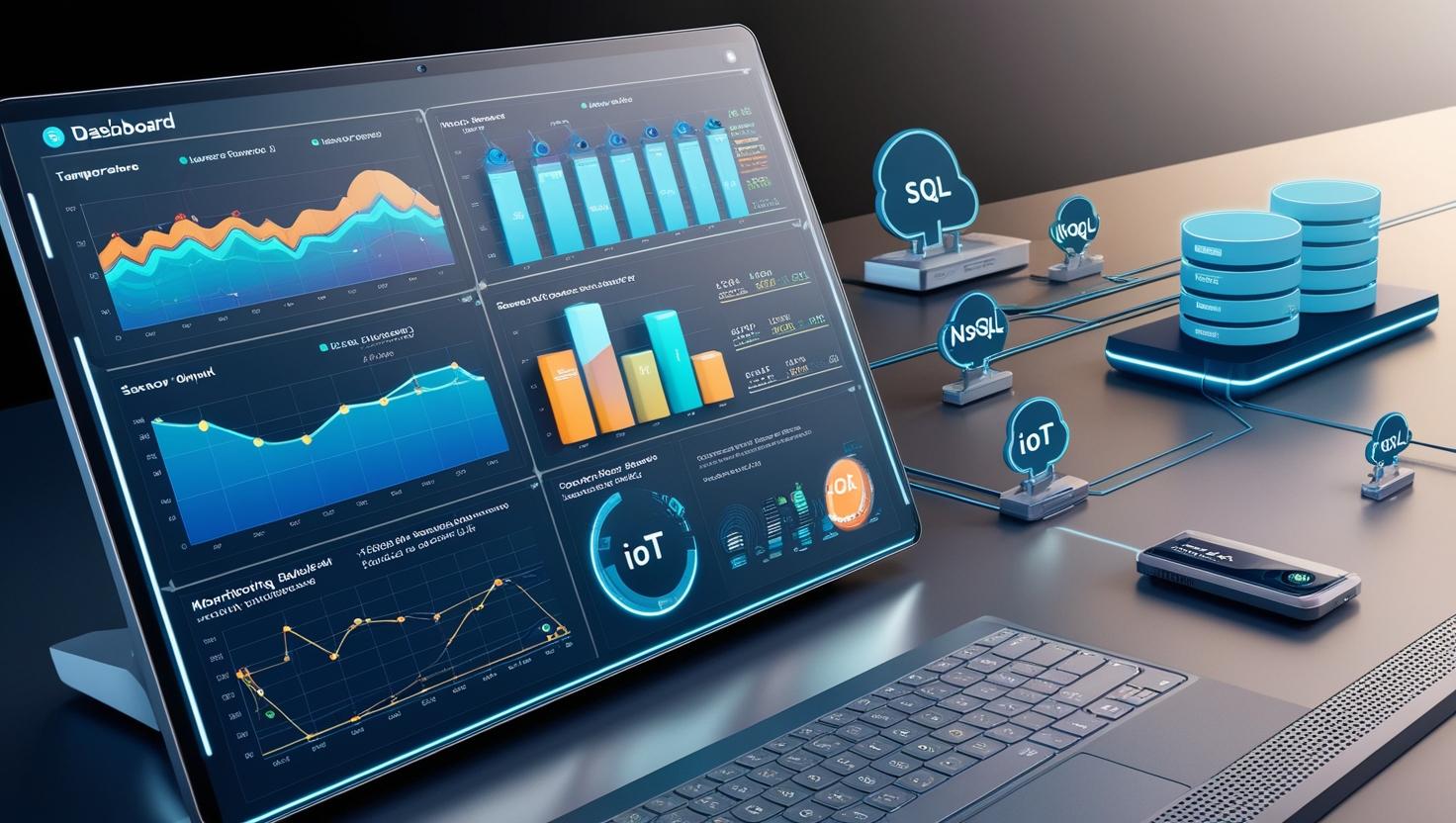
Introduction to Time Series Databases
By Beia Consult InternationalTime Series Databases (TSDBs) efficiently store and retrieve time-stamped data for applications like IoT, monitoring, and finance. They come in SQL-based (e.g., MySQL, PostgreSQL) for structured queries and NoSQL-based (e.g., InfluxDB, MongoDB) for scalability and high-velocity data handling. The choice depends on data volume, query complexity, and scalability needs.
Digital learning, Lesson- Quiz1
-
 Intermediate
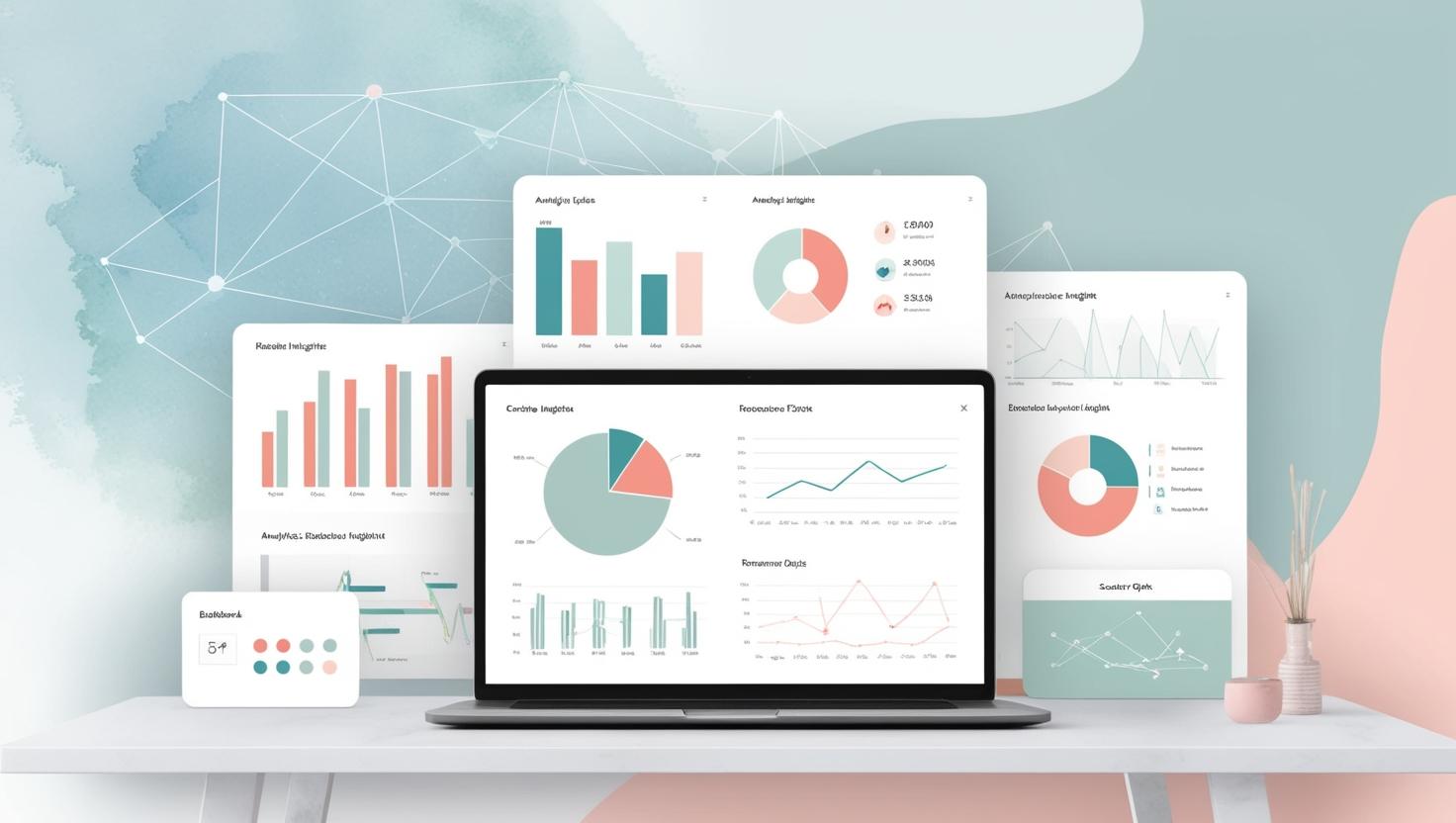
Introduction to Data Visualisation
By Beia Consult InternationalData visualization simplifies complex data through graphs, charts, and dashboards, enabling quick insights for decision-making. Grafana, a powerful open-source tool, supports real-time monitoring, interactive dashboards, and multi-source data integration for IoT, business intelligence, and analytics.
Digital learning, Lesson- Quiz1
-
 Intermediate
How Grafana Is Used in IoT Applications
By Beia Consult InternationalThis course explores how Grafana enhances IoT monitoring with real-time dashboards. Learn to integrate data sources, configure visualizations, and set up alerts for insights in smart homes, industrial IoT, and environmental monitoring.
Digital learning, Lesson- Quiz1
-
 Beginner
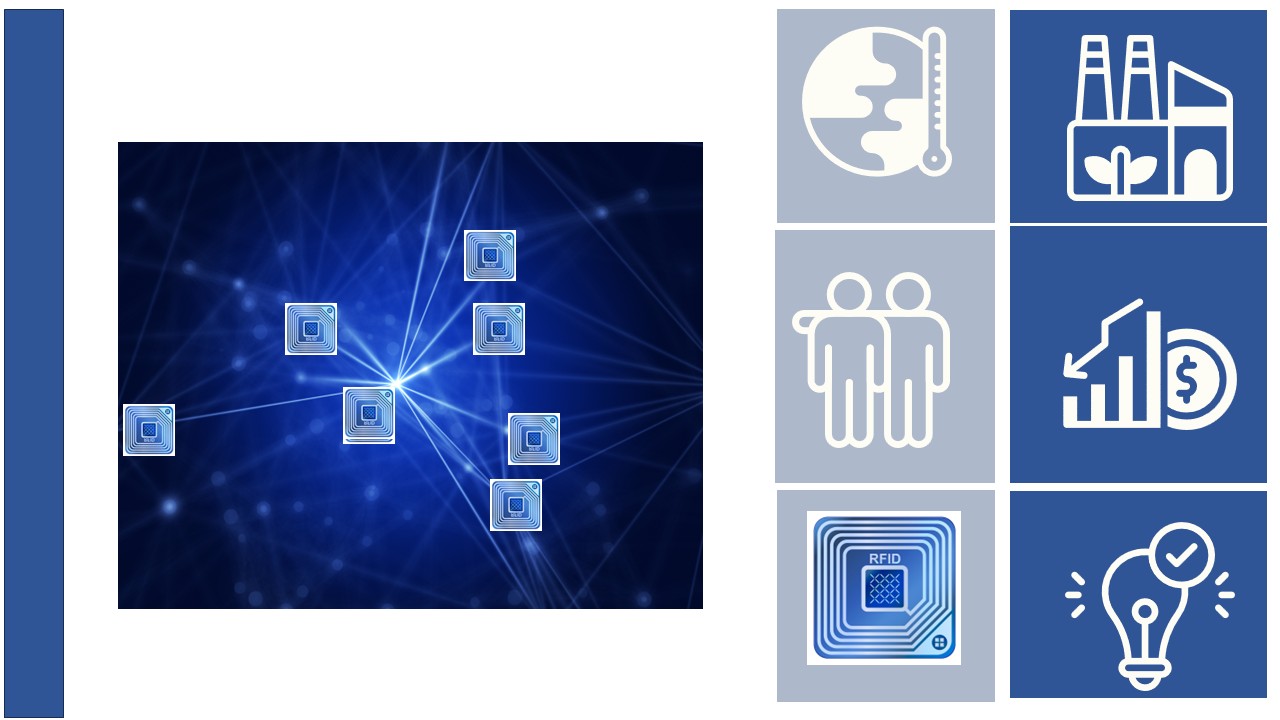
Track and Trace with Radio Frequency Identification
By JOANNEUM RESEARCHThis learning path is designed to provide students with an introduction to the concepts of Radio Frequency Identification technology for use in track and trace applications. This includes detailed explanations and descriptions of RFID readers, tags and Near Field Communication (NFC) technology.
Digital learning, Path- Course Certificate
49 € -
 Beginner
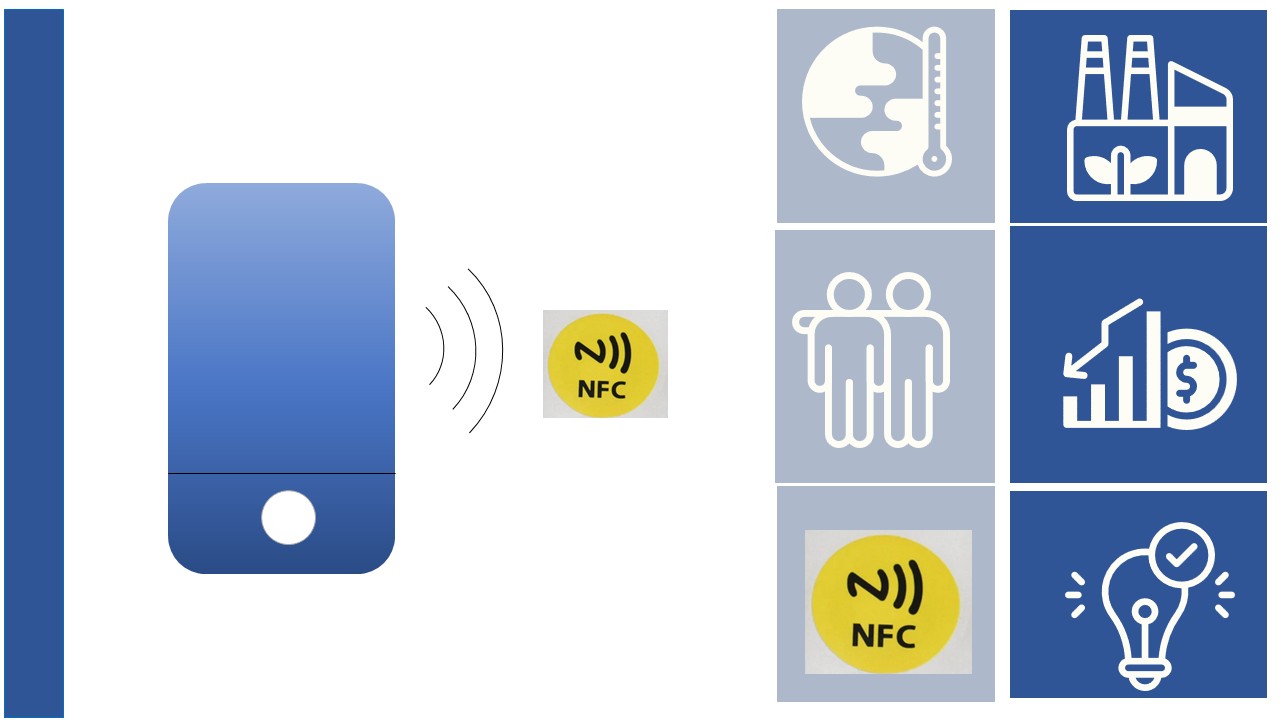
Near Field Communication
By JOANNEUM RESEARCHThis lesson explains Near Field Communication (NFC). NFC is a technology that allows you to interact securely with the world around you by simply touching it. NFC wireless technology is found in billions of smartphones, tablets, consumer and industrial electronics.
Digital learning, Lesson- Quiz1
-
 Beginner
Radio Frequency Identification Tags
By JOANNEUM RESEARCHIn this lesson, we will describe Radio Frequency Identification (RFID) tags. RFID tags are small, wireless devices that use radio waves to identify and track objects. They consist of a microchip and an antenna, and can be attached to or embedded in a variety of objects to enable automated data collection and management. There are many different RFID tags to choose from, depending on the application and environmental factors.
Digital learning, Lesson- Quiz1
-
Beginner
Introduction in Radio Frequency Identification Technology
By JOANNEUM RESEARCHThe learning material starts with asset tracking with Radio Frequency Identification (RFID). Asset tracking is an increasingly important key technology for industrial manufacturing companies. Digital asset tracking brings greater transparency to the production process, allowing you to see the progress and status of your production line at any time. In this learning resource, we explain exactly what the concept means and what the benefits are for companies.In this lesson, we will introduce the basic key concepts of RFID technology.
Digital learning, Lesson- Quiz1
-
 Intermediate
Radio Frequency Identification Readers
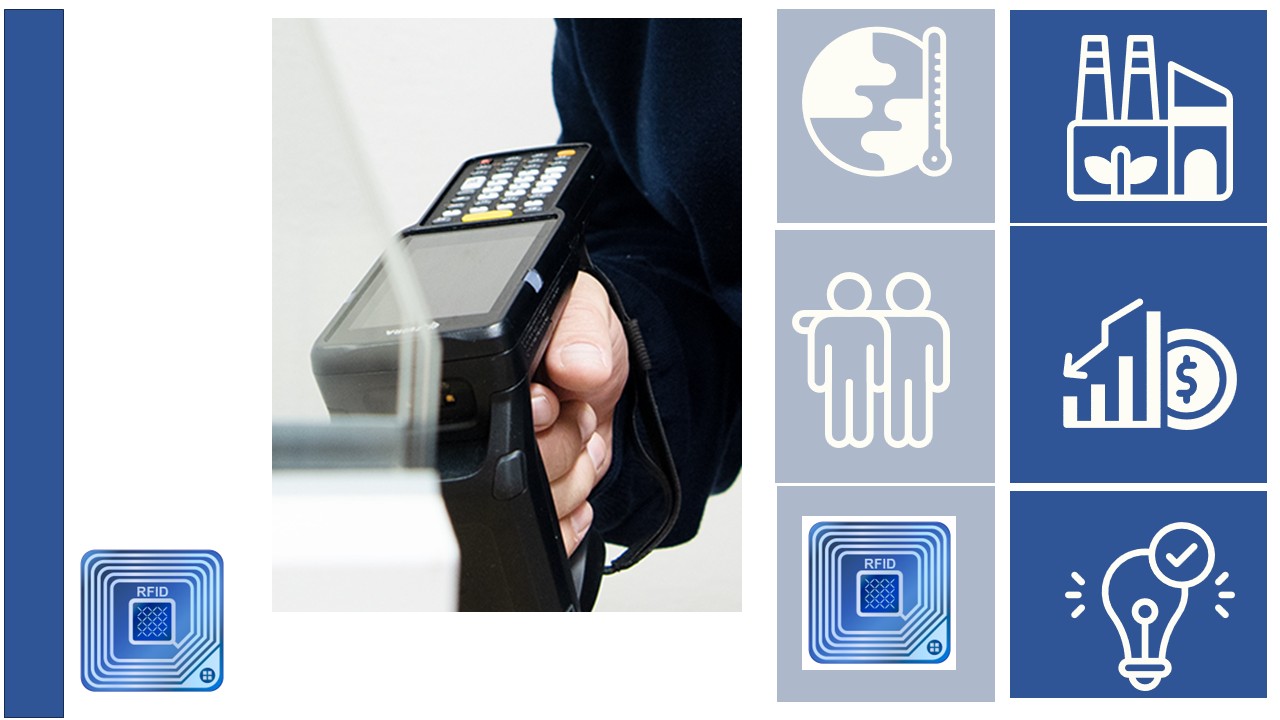
By JOANNEUM RESEARCHIn this lesson, we will describe Radio Frequency Identifier (RFID) readers. RFID readers are devices that use radio waves to identify and track tags attached to objects. The reader sends a signal that activates the tag, which then sends its unique identification information back to the reader wirelessly.
Digital learning, Lesson- Quiz1