

Type of course:
Digital learning, Path
Language:
EN
Duration:
4 hours, 10 minutes
Workload:
6 hours
Proficiency:
Beginner
Target:
Professionals, Students
This course is officially recognised and labelled by the European Institute of Innovation and Technology (EIT). EIT Label is a quality mark awarded to programmes demonstrating outstanding innovation, educational excellence and societal impact.
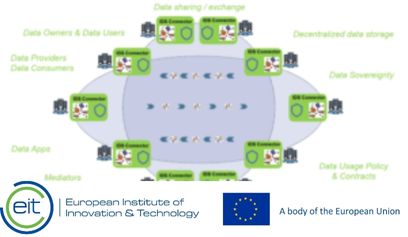
The Learning Path belongs to Digital Transformation and Data topics and conducts the learner in the adoption of the International Data Spaces (IDS) Reference Model, at the theoretical and practical levels. The IDS Reference Model is an international specification developed to help share data in a coordinated and secure manner, all the while maintaining data sovereignty, meaning the owner should always have full control over the data they share.The main objective of this LP is to equip learners with the knowledge and skills required to navigate an increasingly adopted international specification, which IDS is. By understanding IDS principles, examples, and best practices presented throughout this LP, learners are able to reflect on their organization’s data-sharing mechanisms and implement new, internationally embraced methods to securely and efficiently exchange data.Throughout the learning process, the learner will start by identifying and understanding the foundational elements around the IDS Reference Model, followed by a practical sequence of steps that will instruct him/her to 1) build an IDS data space by deploying and customizing the central software components that will enable a trustful and secure data sharing ecosystem; 2) start publishing, searching, and consuming data in the IDS data space ecosystem and 3) know how to integrate existing business information systems into the data space ecosystem in order to allow interoperability with other information systems in a supply chain to support business transactions (e.g., production orders, products technical data, traceability of operations).
Learning outcomes
- After completing the learning module, learners are able to identify and internalize: the basic theoretical concepts defined by the IDS Reference Model to architect a dataspace ecosystem; its major software components; and their purpose and interactions.
- After completing the learning module, learners are able to build a dataspace ecosystem according to the IDS Reference Model and to deploy and configure, in a docker-based environment, the essential software components to develop an IDS ecosystem, allowing manufacturing organizations participating in a supply chain to exchange data (e.g. production orders, traceability data) in a peer to peer secure and trustful manner, whilst addressing the sovereignty of data owners by defining data usage policies and contracts.
- After completing the learning module, learners have the knowledge to manually and programmatically publish, search, and consume data in an IDS dataspace ecosystem and are able to integrate a business information system (e.g. ERP, MES) with an IDS Connector to improve digital communication with partners’ business information systems in a given supply chain environment.
LessonCreating and Managing an International Data Spaces Certificate Authority (CA)
Course Content
LessonInstalling and Using an International Data Spaces Dynamic Attribute Provisioning Service (DAPS)
Course Content
LessonCustomizing an International Data Spaces Dynamic Attribute Provisioning Service (DAPS)
Course Content
LessonInstalling and Configuring an International Data Spaces Broker
Course Content
LessonInstalling and Configuring an International Data Spaces Connector
Course Content
LessonInstalling and Configuring an International Data Spaces Connector Extension/App
Course Content
LessonProviding and Consuming Data in an IDS Dataspace
Course Content
LessonInternational Data Spaces Final Quiz
Course Content
Topics
Digital Transformation, Data mining
Provided by
-
INESC TEC

 +260
enrolled
+260
enrolled
Course Includes
- 1 Quiz
- 1 Certificate of achievement
Related
-
 Intermediate
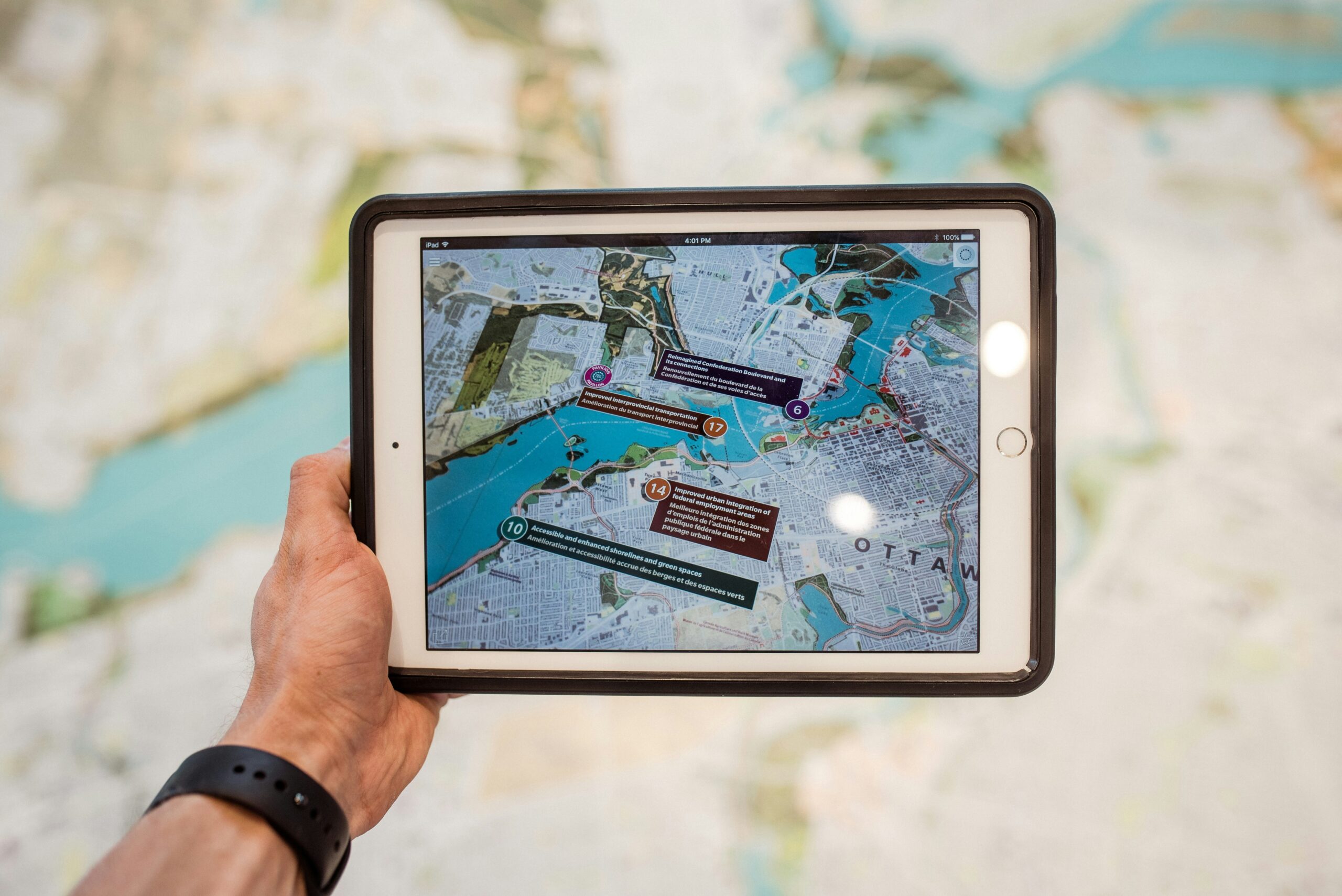
Augmenting Workers
By Faculty of Engineering of University of PortoThis lesson discusses technologies that enhance human capabilities in the workplace, such as exoskeletons and augmented reality, empowering workers to perform complex tasks more efficiently and safely.
Digital learning, Lesson- Quiz1
-
 Intermediate
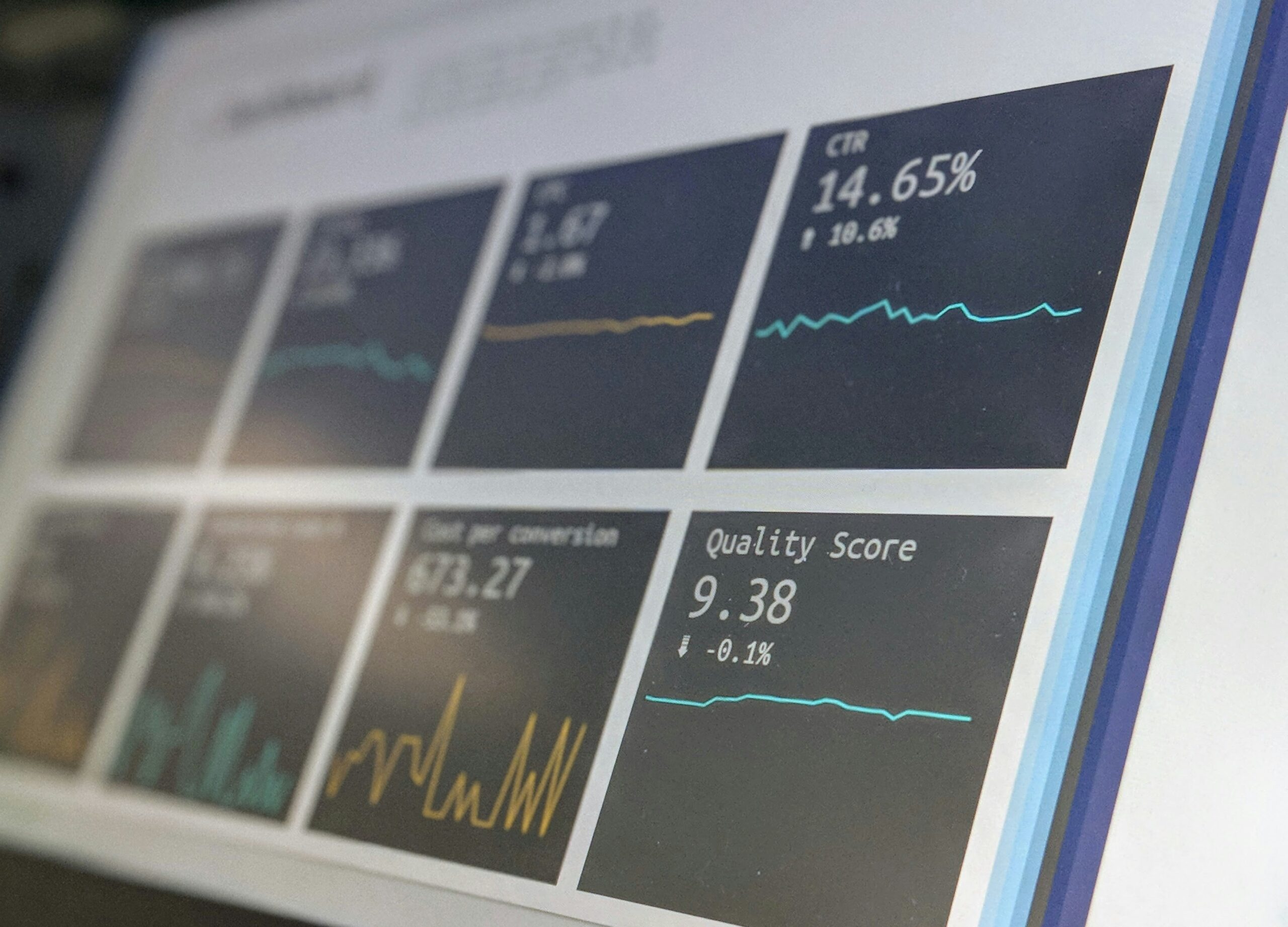
Data Analytics for Energy Efficiency and Sustainability
By Faculty of Engineering of University of PortoThis lesson focuses on using real-time data analytics to optimize energy usage in industrial settings, reducing waste, and improving sustainability through smart energy management systems.
Digital learning, Lesson- Quiz1
-
 Intermediate
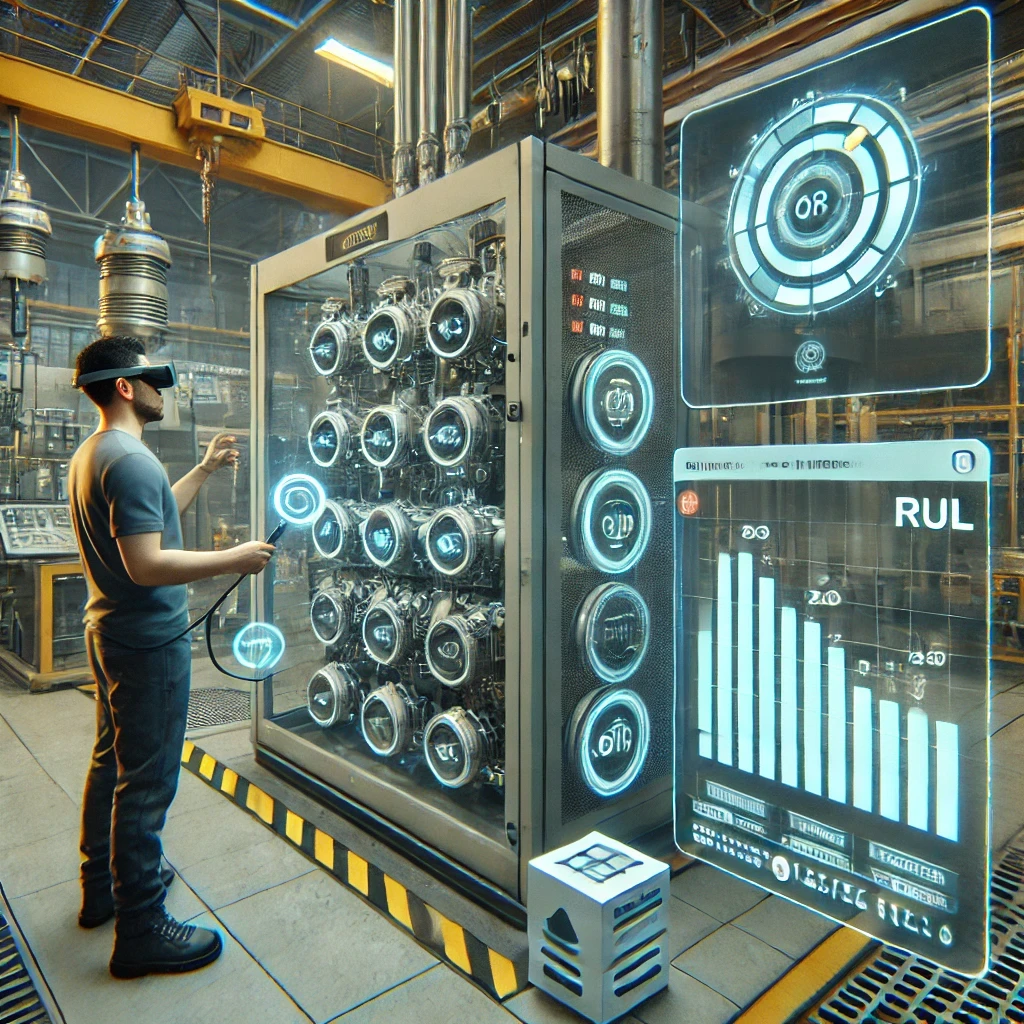
Augmented Reality Application Development for Equipment Health Monitoring
By Laboratory for Manufacturing Systems and Automation of Patras - Laboratory for Manufacturing Systems and Automation of PatrasThis lesson teaches learners how to design Augmented Reality (AR) applications for monitoring equipment health. They will learn to formulate microservices for AR-based monitoring, create data monitoring and visualization workflows, and develop AR modules that provide real-time monitoring of equipment performance.
Digital learning, Lesson -
 Intermediate
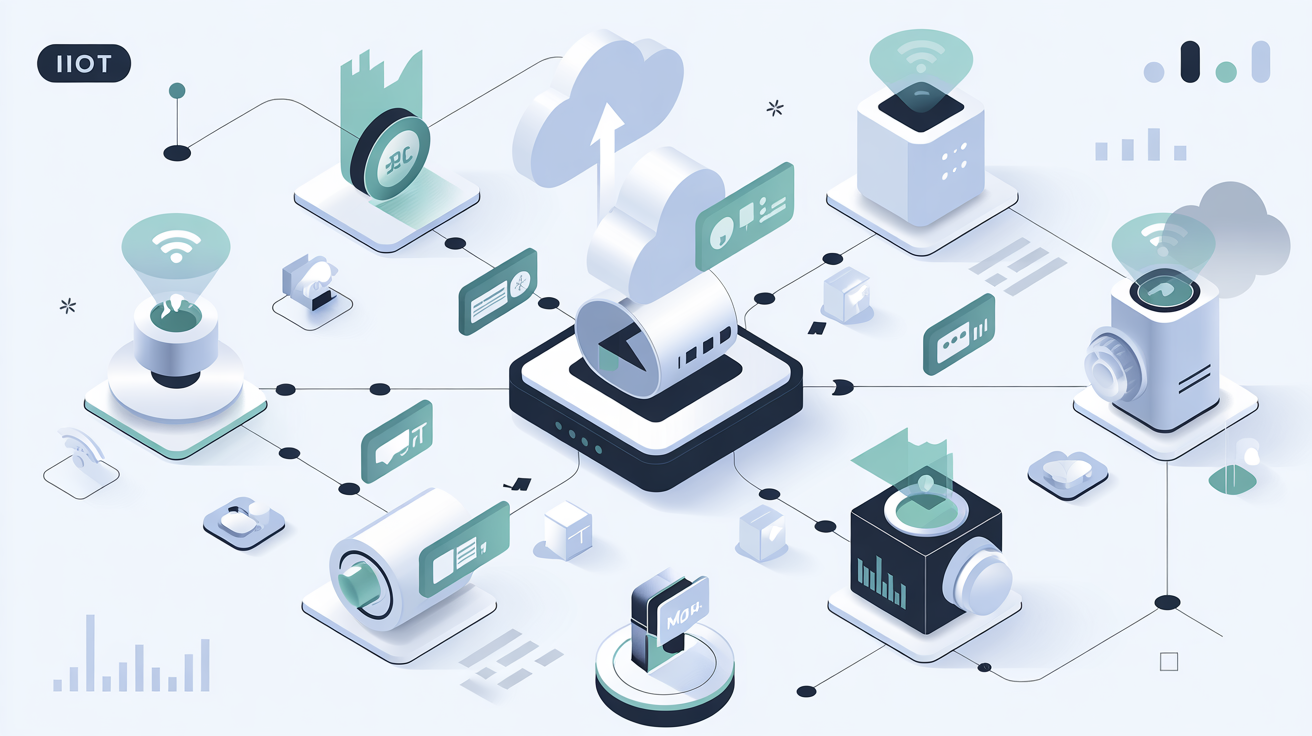
Introduction to MQTT
By Beia Consult InternationalMessage Queuing Telemetry Transport (MQTT) is a lightweight messaging protocol for Internet of Things (IoT), using a publish/subscribe model for efficient, real-time communication. Common uses include smart homes, industrial automation, and environmental monitoring.
Digital learning, Lesson- Quiz1
-
 Intermediate
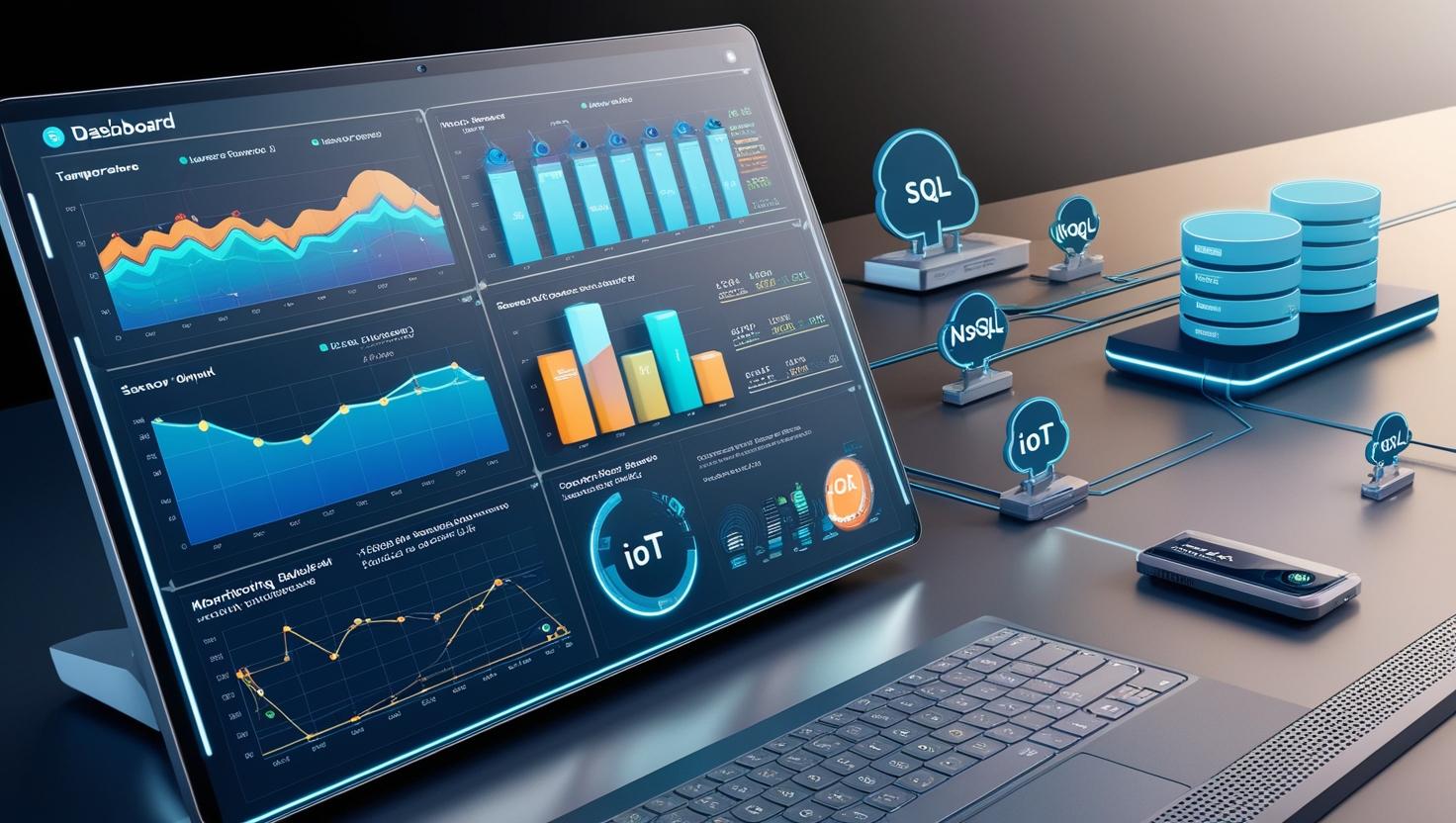
Introduction to Time Series Databases
By Beia Consult InternationalTime Series Databases (TSDBs) efficiently store and retrieve time-stamped data for applications like IoT, monitoring, and finance. They come in SQL-based (e.g., MySQL, PostgreSQL) for structured queries and NoSQL-based (e.g., InfluxDB, MongoDB) for scalability and high-velocity data handling. The choice depends on data volume, query complexity, and scalability needs.
Digital learning, Lesson- Quiz1
-
 Intermediate
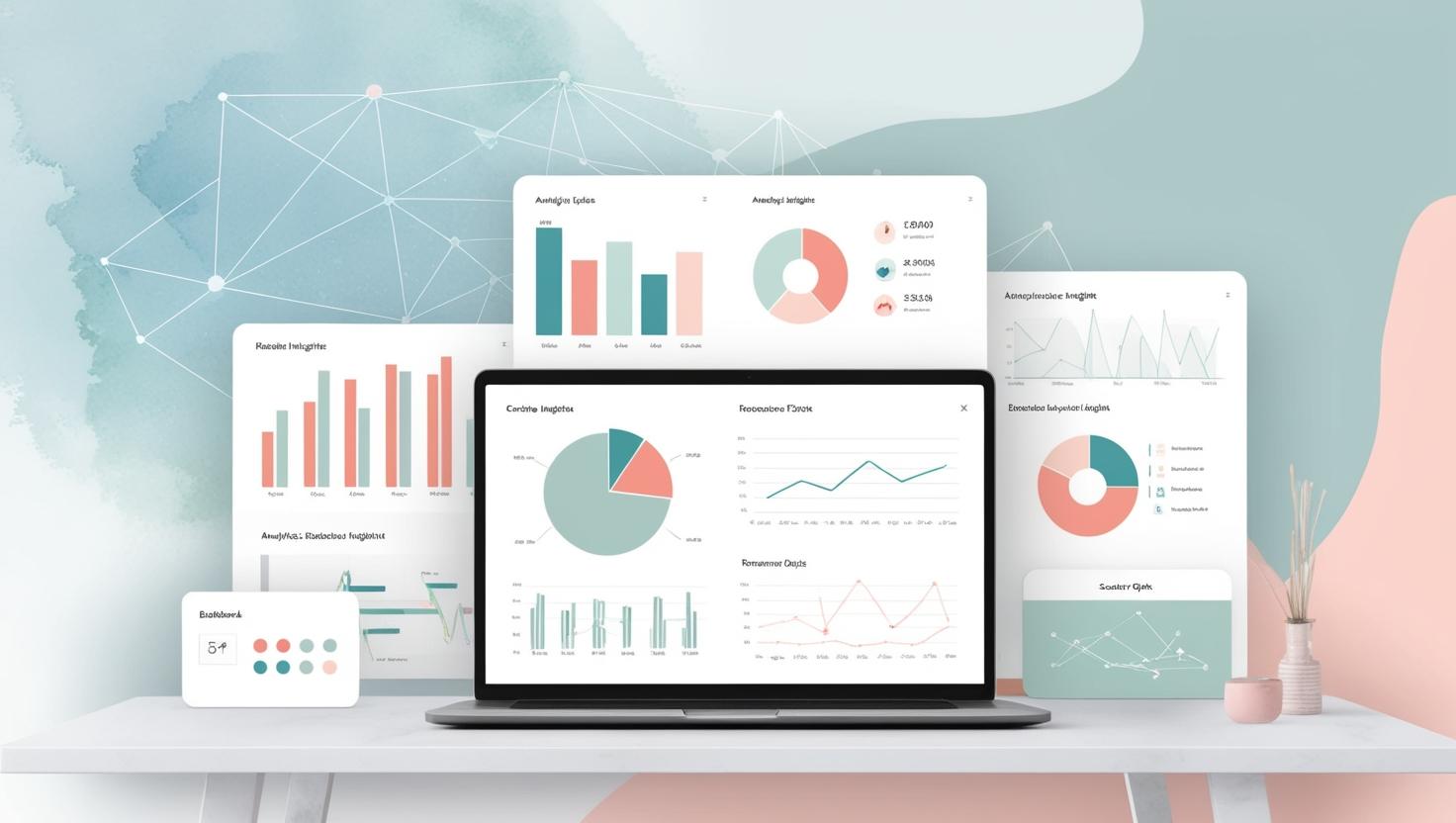
Introduction to Data Visualisation
By Beia Consult InternationalData visualization simplifies complex data through graphs, charts, and dashboards, enabling quick insights for decision-making. Grafana, a powerful open-source tool, supports real-time monitoring, interactive dashboards, and multi-source data integration for IoT, business intelligence, and analytics.
Digital learning, Lesson- Quiz1
-
 Intermediate
How Grafana Is Used in IoT Applications
By Beia Consult InternationalThis course explores how Grafana enhances IoT monitoring with real-time dashboards. Learn to integrate data sources, configure visualizations, and set up alerts for insights in smart homes, industrial IoT, and environmental monitoring.
Digital learning, Lesson- Quiz1
-
 Beginner
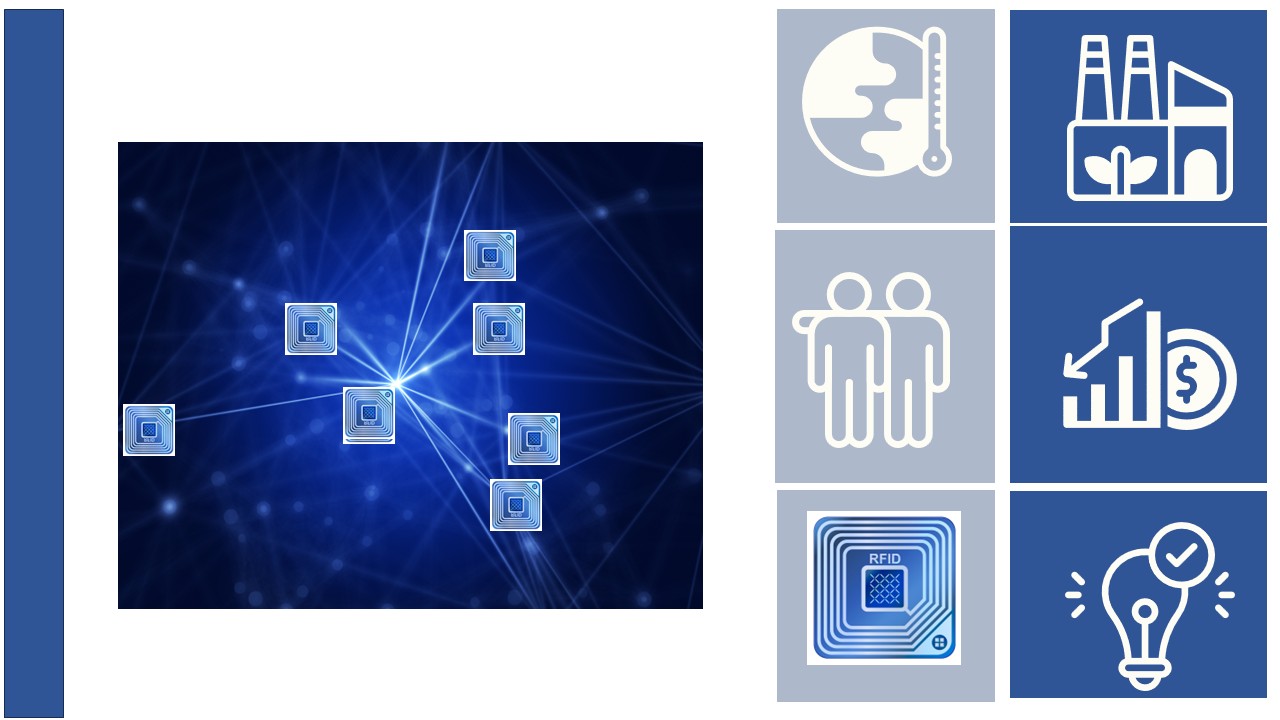
Track and Trace with Radio Frequency Identification
By JOANNEUM RESEARCHThis learning path is designed to provide students with an introduction to the concepts of Radio Frequency Identification technology for use in track and trace applications. This includes detailed explanations and descriptions of RFID readers, tags and Near Field Communication (NFC) technology.
Digital learning, Path- Course Certificate
49 € -
 Beginner
Near Field Communication
By JOANNEUM RESEARCHThis lesson explains Near Field Communication (NFC). NFC is a technology that allows you to interact securely with the world around you by simply touching it. NFC wireless technology is found in billions of smartphones, tablets, consumer and industrial electronics.
Digital learning, Lesson- Quiz1
-
 Beginner
Radio Frequency Identification Tags
By JOANNEUM RESEARCHIn this lesson, we will describe Radio Frequency Identification (RFID) tags. RFID tags are small, wireless devices that use radio waves to identify and track objects. They consist of a microchip and an antenna, and can be attached to or embedded in a variety of objects to enable automated data collection and management. There are many different RFID tags to choose from, depending on the application and environmental factors.
Digital learning, Lesson- Quiz1
-
Beginner
Introduction in Radio Frequency Identification Technology
By JOANNEUM RESEARCHThe learning material starts with asset tracking with Radio Frequency Identification (RFID). Asset tracking is an increasingly important key technology for industrial manufacturing companies. Digital asset tracking brings greater transparency to the production process, allowing you to see the progress and status of your production line at any time. In this learning resource, we explain exactly what the concept means and what the benefits are for companies.In this lesson, we will introduce the basic key concepts of RFID technology.
Digital learning, Lesson- Quiz1
-
 Intermediate
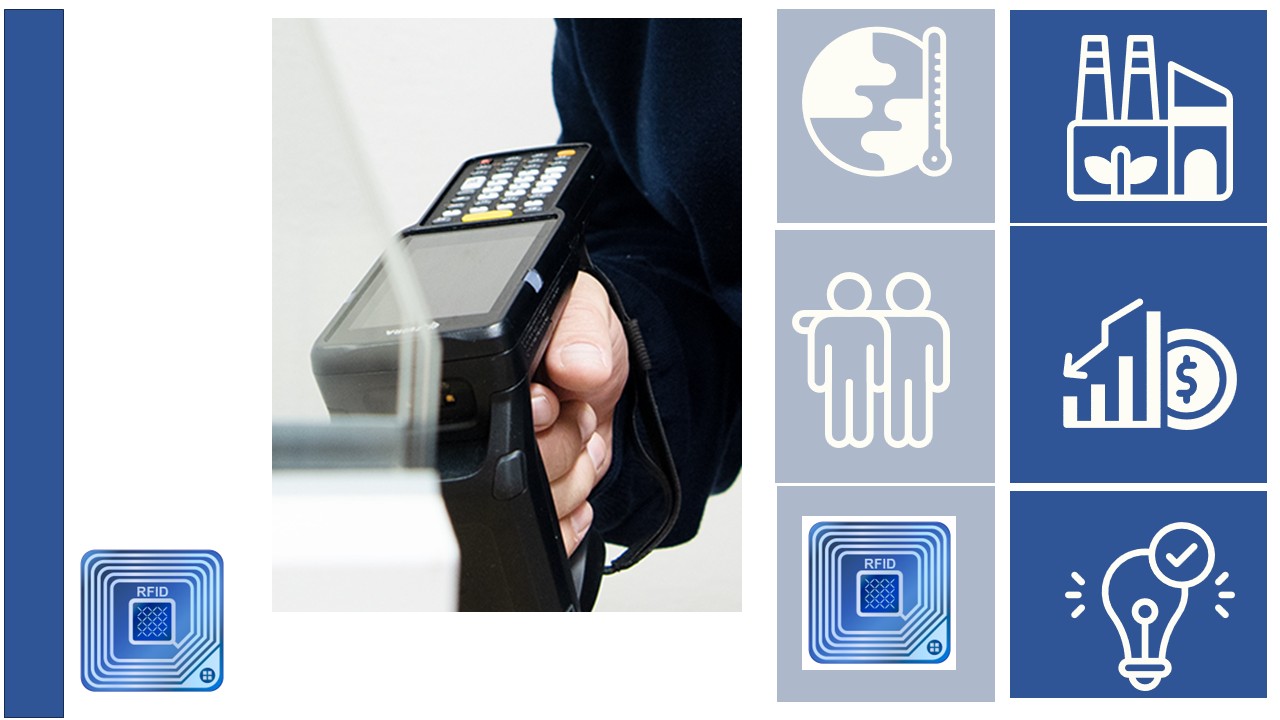
Radio Frequency Identification Readers
By JOANNEUM RESEARCHIn this lesson, we will describe Radio Frequency Identifier (RFID) readers. RFID readers are devices that use radio waves to identify and track tags attached to objects. The reader sends a signal that activates the tag, which then sends its unique identification information back to the reader wirelessly.
Digital learning, Lesson- Quiz1