


Type of course:
Digital learning, Lesson
Language:
EN
Duration:
15 minutes
Proficiency:
Beginner
Target:
Manager, Students, Workers
SUMMARY
This lesson provides a comprehensive understanding of workforce planning with a focus on adopting a human-centric approach to drive sustainability and growth, particularly in the manufacturing sector. Participants will begin by exploring the definition and importance of workforce planning and its role in aligning organizational goals with employee strengths and aspirations. The lesson delves into the key benefits of a human-centric approach, highlighting how it boosts productivity, innovation, and adaptability.
Participants will learn the core principles of human-centric workforce planning, emphasizing employee well-being, engagement, and development. The lesson also introduces the use of workforce analytics to make data-driven decisions, helping to identify improvement areas and optimize workforce strategies. Lastly, the course focuses on redesigning roles and organizational structures to align with both employee strengths and future business needs, ensuring a sustainable and adaptable workforce.

About The Author
Cleantech Bulgaria is a business network focused on clean technologies, innovation and sustainable development, expertising in sustainability education and skills development. Cleantech Bulgaria connects SMEs and large enterprises, experts, NGOs, entrepreneurs, government and international institutions.
Learning outcomes
- After this lesson, the learner will be able to explain the importance of a human-centric approach to workforce planning for sustainability and growth in the manufacturing sector.
- After this lesson, the learner will be able to analyze workforce data to identify areas for improvement and align roles with employee strengths and business goals.
- After this lesson, the learner will be able to design and implement strategies such as skills gap analyses, flexible work arrangements, and cross-functional team models to enhance workforce engagement and adaptability.
Course Content
Topics
Advanced Manufacturing, Sustainable Manufacturing

Related
-
 Intermediate
Circularity and Information Sharing for Resilient Value Chains
By Faculty of Engineering of University of PortoThis lesson explores strategies for creating circular, sustainable value chains, emphasizing the importance of information sharing and collaboration to build resilience, particularly in critical sectors like automotive and electronics.
Digital learning, Lesson- Quiz1
-
 Intermediate
Data Analytics for Energy Efficiency and Sustainability
By Faculty of Engineering of University of PortoThis lesson focuses on using real-time data analytics to optimize energy usage in industrial settings, reducing waste, and improving sustainability through smart energy management systems.
Digital learning, Lesson- Quiz1
-
 Intermediate
Digital Technologies Enabling Industry 5.0
By Faculty of Engineering of University of PortoThis lesson introduces key digital technologies driving Industry 5.0, such as AI, IoT, and cobotics, highlighting how they enhance efficiency, sustainability, and human-machine collaboration.
Digital learning, Lesson- Quiz1
-
 Intermediate
Introduction to Industry 5.0
By Faculty of Engineering of University of PortoThis lesson explores the evolution from Industry 4.0 to Industry 5.0, emphasizing human-centric, sustainable, and resilient manufacturing systems, where humans and advanced technologies co-create value.
Digital learning, Lesson- Quiz1
-
 Intermediate
Industry 5.0: Transition to Sustainable, Human-Centric and Resilient Manufacturing
By Faculty of Engineering of University of PortoThis course explores the evolution from Industry 4.0 to Industry 5.0, highlighting the shift towards sustainable, human-centric, and resilient manufacturing practices. Learners will gain a comprehensive understanding of Industry 5.0 fundamentals, focusing on its core principles and distinct differences from previous industrial revolutions. The course delves into the integration of advanced digital technologies, such as real-time data analytics and automation, to enhance energy efficiency and operational sustainability in industrial settings. Participants will learn to identify inefficiencies and propose value-driven improvements. Additionally, the course covers the application of human-robot collaborative systems, emphasizing intelligent collaborative cells that facilitate safe and efficient human-robot interaction, thereby contributing to enhanced resilience in manufacturing processes.
Digital learning, Path- Course Certificate
49 € -
 Intermediate
Augmented Reality Application Development for Equipment Health Monitoring
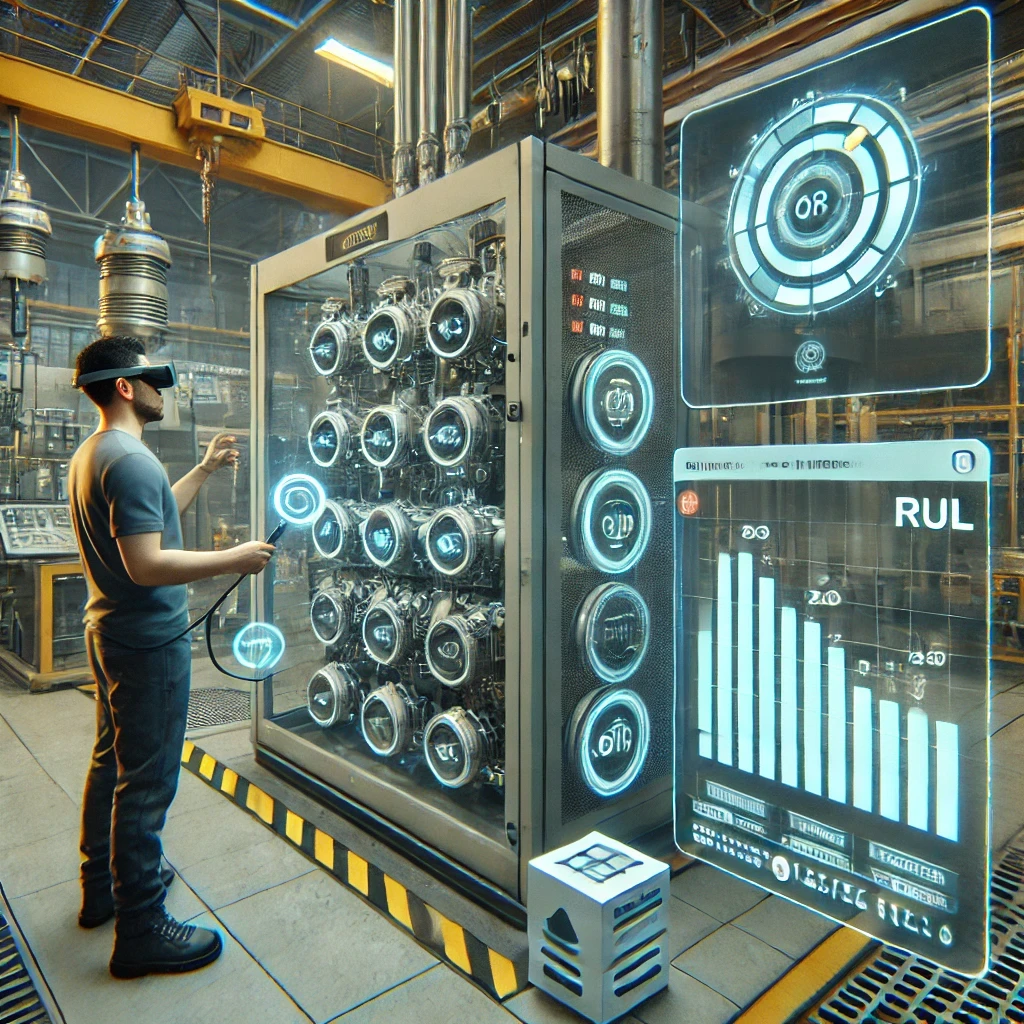
By Laboratory for Manufacturing Systems and Automation of Patras - Laboratory for Manufacturing Systems and Automation of PatrasThis lesson teaches learners how to design Augmented Reality (AR) applications for monitoring equipment health. They will learn to formulate microservices for AR-based monitoring, create data monitoring and visualization workflows, and develop AR modules that provide real-time monitoring of equipment performance.
Digital learning, Lesson -
 Intermediate
Digital Product Passport - Information Model
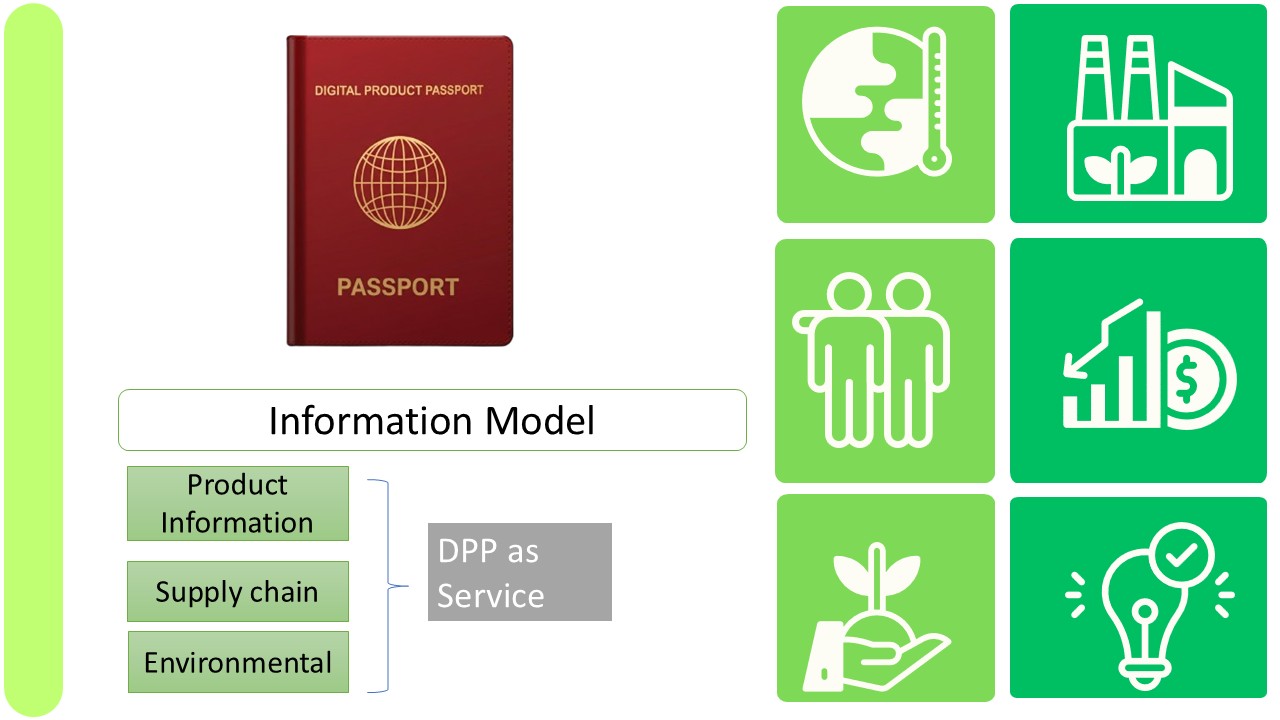
By JOANNEUM RESEARCHIn this lesson, we will introduce the motivation and the key facts and concepts of the Digital Product Passport (DPP). We will begin by examining the motivation for and the benefits of a Digital Product Passport. We will then proceed to the key facts and background information. Finally, we will conclude with a review of the relevant information blocks of the DPP.
Digital learning, Lesson- Quiz1
-
 Intermediate
Digital Product Passport - Software as a Service
By JOANNEUM RESEARCHThe Digital Product Passport as a service for SMEs enables the digital capture and management of product data throughout its entire lifecycle. This increases transparency and traceability in the supply chain and facilitates compliance with legal requirements. The DPP as a Service-based solution means that SMEs benefit from low implementation costs and maximum flexibility.
Digital learning, Lesson- Quiz1
-
 Intermediate
Digital Product Passport - Near Field Communication as a Marking Technology
By JOANNEUM RESEARCHThis lesson explains the steps involved in using Near Field Communication tags as a data carrier. We show how this can be implemented and give an outlook on upcoming activities regarding the Near Field Communication Digital Product Passport standard.
Digital learning, Lesson- Quiz1
-
 Intermediate
Digital Product Passport - Marking Technologies
By JOANNEUM RESEARCHThis learning lesson explains the steps involved in using marking technologies such as Barcode 128, Data Matrix or Quick Response (QR) code as a data carrier. It also shows how to implement it.
Digital learning, Lesson- Quiz1
-
 Intermediate
Digital Product Passport – Regulations
By JOANNEUM RESEARCHIn this lesson, we will present the motivation and the most important facts regarding regulation in the EU. Furthermore, we will discuss the most important time schedules for familiarizing yourself with the new EU regulations. Finally, we will provide an overview of the relevant information blocks of the DPP.
Digital learning, Lesson- Quiz1
-
 Intermediate
Digital Product Passport - Key Facts and Background Information
By JOANNEUM RESEARCHIn this lesson, we will introduce the motivation and the key facts and concepts of the Digital Product Portal (DPP). We will begin by examining the motivation for and the benefits of a Digital Product Passport. We will then proceed to the key facts and background information. Finally, we will conclude with a review of the relevant information blocks of the DPP.
Digital learning, Lesson- Quiz1