


Type of course:
Digital learning, Path
Language:
EN
Duration:
1 hour, 40 minutes
Workload:
6 hours
Proficiency:
Intermediate
Target:
Professionals, Students, Workers
SUMMARY
This course explores the evolution from Industry 4.0 to Industry 5.0, highlighting the shift towards sustainable, human-centric, and resilient manufacturing practices. Learners will comprehensively understand Industry 5.0 fundamentals, focusing on its core principles and distinct differences from previous industrial revolutions. The course delves into integrating advanced digital technologies, such as real-time data analytics and automation, to enhance energy efficiency and operational sustainability in industrial settings. Participants will learn to identify inefficiencies and propose value-driven improvements. Additionally, the course covers the application of human-robot collaborative systems, emphasizing intelligent collaborative cells that facilitate safe and efficient human-robot interaction, thereby contributing to enhanced resilience in manufacturing processes.
By the end of the course, learners will be able to:
- Understand Industry 5.0 Fundamentals, explaining its core principles, and its distinction from Industry 4.0, focusing on human-centric, sustainable, and resilient manufacturing approaches.
- Explain the integration of digital technologies, such as real-time data analytics and automation, to enhance both energy efficiency and overall operational sustainability in industrial settings, identifying inefficiencies and proposing improvements that drive value.
- Apply human-robot collaborative systems by recognizing intelligent collaborative cells for safe and efficient human-robot interaction, while discussing their contribution to resilience in manufacturing processes.

About The Author
FEUP, the Faculty of Engineering of the University of Porto, is part of the University of Porto (UPORTO). UPORTO’s origins date back to the 18th century and it is now one of the most prestigious higher education institutions in Europe. FEUP is UPORTO’s largest faculty, with around 9035 students, 932 teachers and researchers in 9 departments. FEUP is at the heart of Porto’s Innovation District and is the driving force behind the success of the University of Porto’s Science and Technology Park, UPTEC, the winner of the 2013 European Region Stars Award for Smart Growth.
Learning outcomes
- By the end of the learning path on Industry 5.0, the learners are able to understand Industry 5.0 Fundamentals, explaining its core principles, and its distinction from Industry 4.0, focusing on human-centric, sustainable, and resilient manufacturing approaches.
- By the end of the course, learners will be able to explain the integration of digital technologies, such as real-time data analytics and automation, to enhance both energy efficiency and overall operational sustainability in industrial settings, identifying inefficiencies and proposing improvements that drive value.
- By the end of the course, learners will be able to apply human-robot collaborative systems by recognizing intelligent collaborative cells for safe and efficient human-robot interaction, while discussing their contribution to resilience in manufacturing processes.
LessonDigital Technologies Enabling Industry 5.0 (Pilot)
LessonData Analytics for Energy Efficiency and Sustainability (Pilot)
Course Content
LessonHuman-Robot Collaboration for Assembly/Disassembly (Pilot)
LessonAugmenting Workers (Pilot)
Course Content
LessonCircularity and Information Sharing for Resilient Value Chains (Pilot)
Topics
Uncategorized
Tags
Sustainability, Industry 5.0

 +213
enrolled
+213
enrolled
Course Includes
- 1 Certificate of achievement
Related
-
 Intermediate
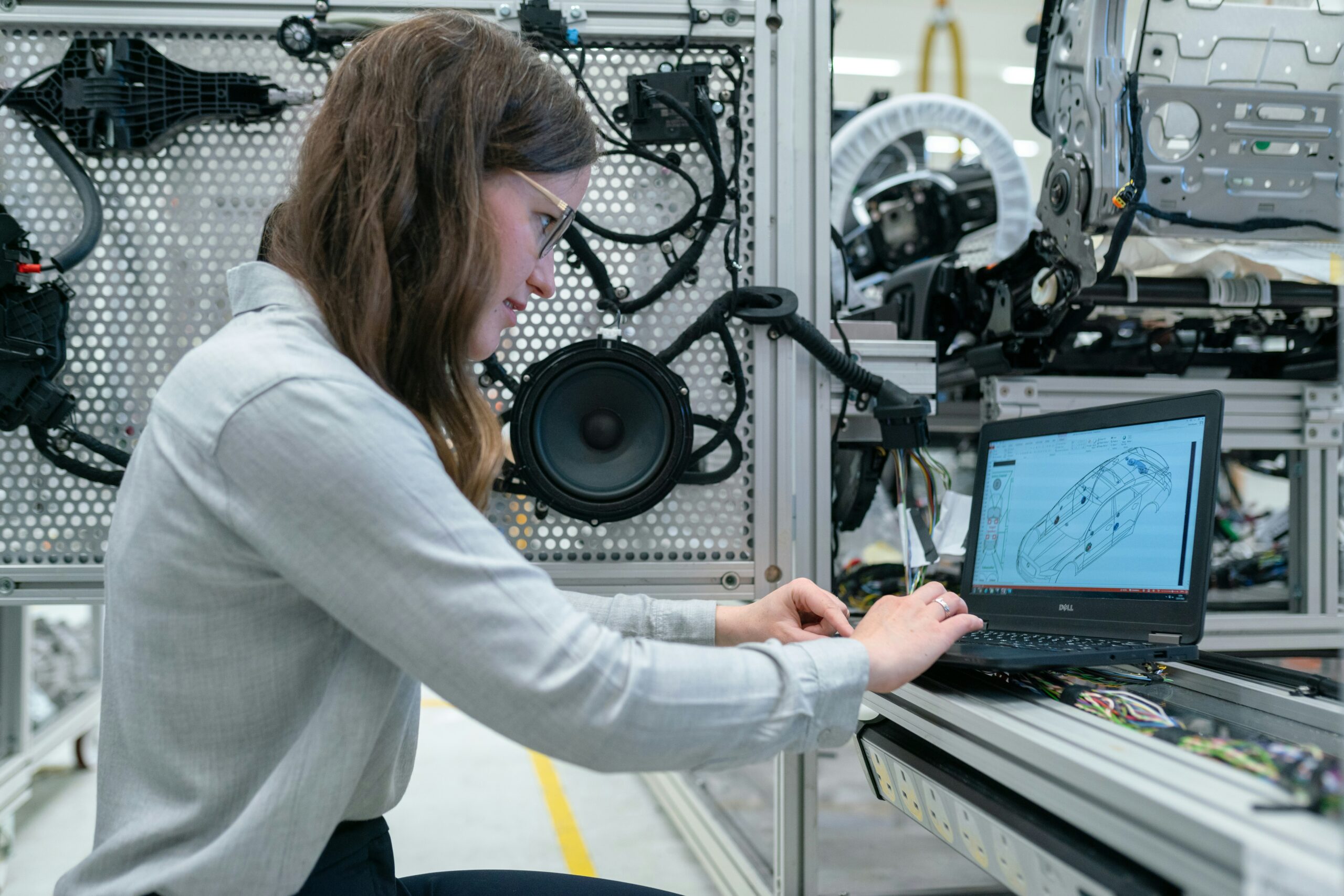
Circularity and Information Sharing for Resilient Value Chains
By Faculty of Engineering of University of PortoThis lesson explores strategies for creating circular, sustainable value chains, emphasizing the importance of information sharing and collaboration to build resilience, particularly in critical sectors like automotive and electronics.
Digital learning, Lesson- Quiz1
-
 Intermediate
Augmenting Workers
By Faculty of Engineering of University of PortoThis lesson discusses technologies that enhance human capabilities in the workplace, such as exoskeletons and augmented reality, empowering workers to perform complex tasks more efficiently and safely.
Digital learning, Lesson- Quiz1
-
 Intermediate
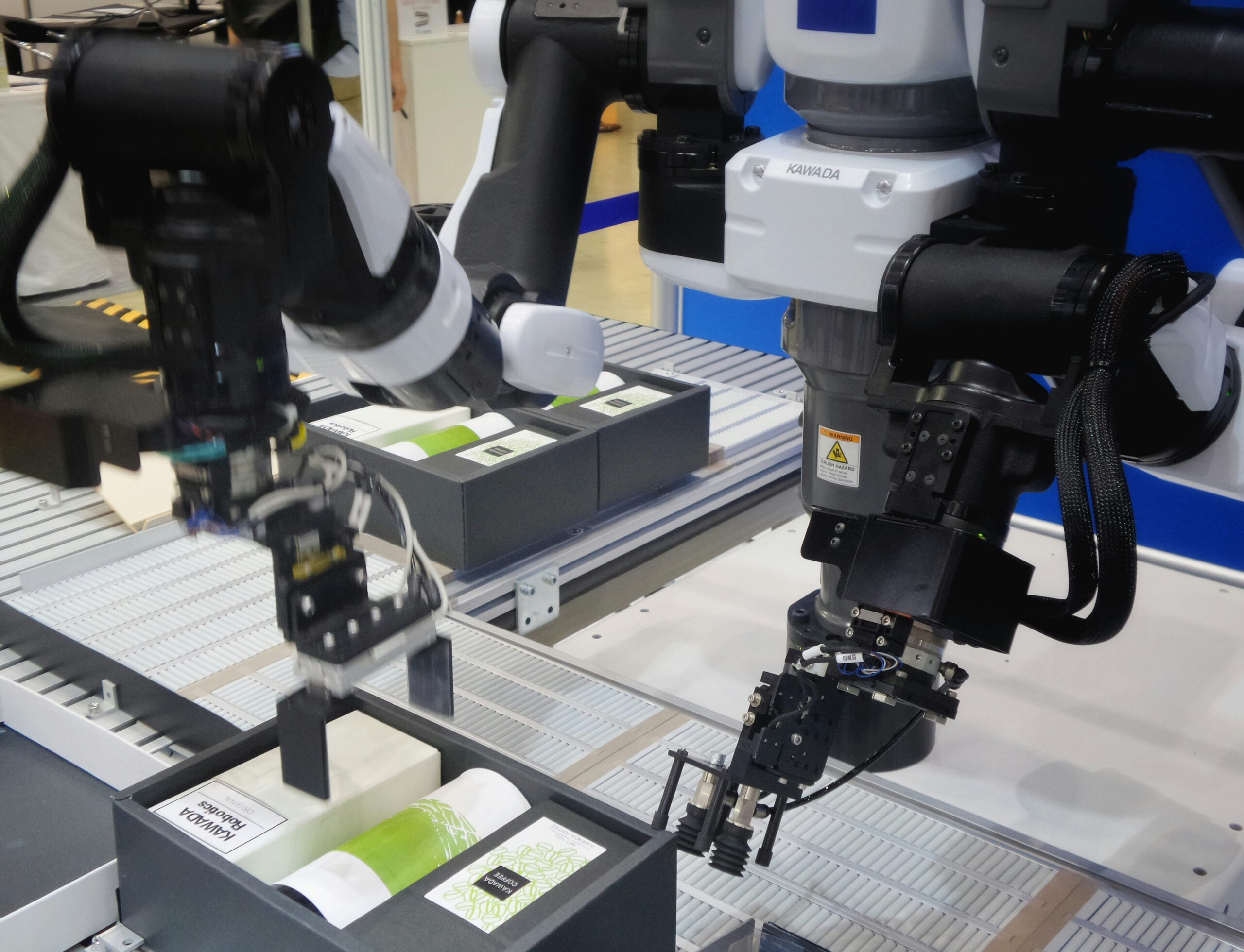
Human-Robot Collaboration for Assembly/Disassembly
By Faculty of Engineering of University of PortoThis lesson examines the integration of COBOTs (collaborative robots) in industrial processes, explaining how humans and robots can safely and efficiently work together in tasks like assembly and disassembly.
Digital learning, Lesson- Quiz1
-
 Intermediate
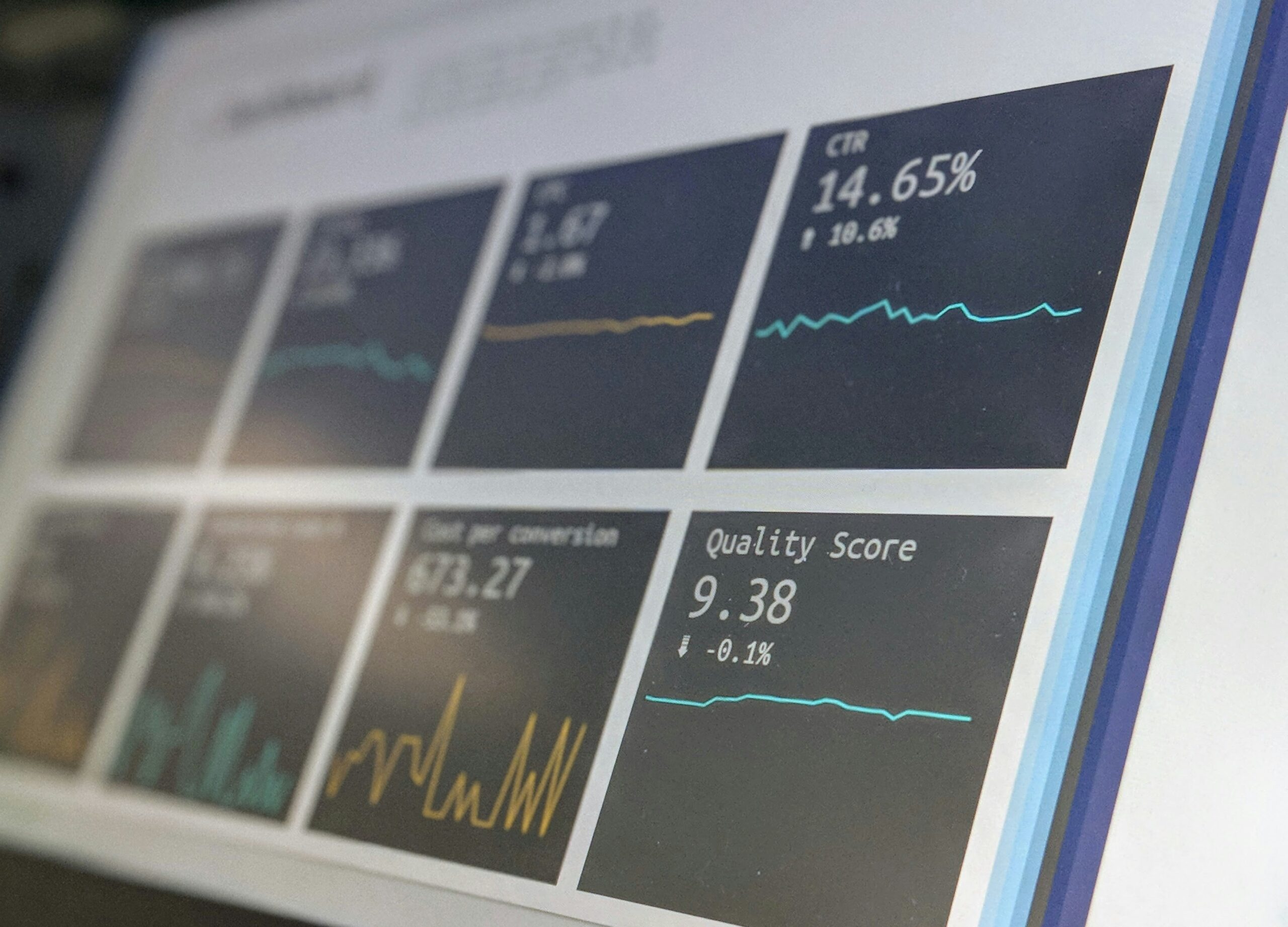
Data Analytics for Energy Efficiency and Sustainability
By Faculty of Engineering of University of PortoThis lesson focuses on using real-time data analytics to optimize energy usage in industrial settings, reducing waste, and improving sustainability through smart energy management systems.
Digital learning, Lesson- Quiz1
-
 Intermediate
Digital Technologies Enabling Industry 5.0
By Faculty of Engineering of University of PortoThis lesson introduces key digital technologies driving Industry 5.0, such as AI, IoT, and cobotics, highlighting how they enhance efficiency, sustainability, and human-machine collaboration.
Digital learning, Lesson- Quiz1
-
 Intermediate
Introduction to Industry 5.0
By Faculty of Engineering of University of PortoThis lesson explores the evolution from Industry 4.0 to Industry 5.0, emphasizing human-centric, sustainable, and resilient manufacturing systems, where humans and advanced technologies co-create value.
Digital learning, Lesson- Quiz1
-
Intermediate
Industry 5.0: Transition to Sustainable, Human-Centric and Resilient Manufacturing
By Faculty of Engineering of University of PortoThis course explores the evolution from Industry 4.0 to Industry 5.0, highlighting the shift towards sustainable, human-centric, and resilient manufacturing practices. Learners will gain a comprehensive understanding of Industry 5.0 fundamentals, focusing on its core principles and distinct differences from previous industrial revolutions. The course delves into the integration of advanced digital technologies, such as real-time data analytics and automation, to enhance energy efficiency and operational sustainability in industrial settings. Participants will learn to identify inefficiencies and propose value-driven improvements. Additionally, the course covers the application of human-robot collaborative systems, emphasizing intelligent collaborative cells that facilitate safe and efficient human-robot interaction, thereby contributing to enhanced resilience in manufacturing processes.
Digital learning, Path- Course Certificate
49 € -
 Intermediate
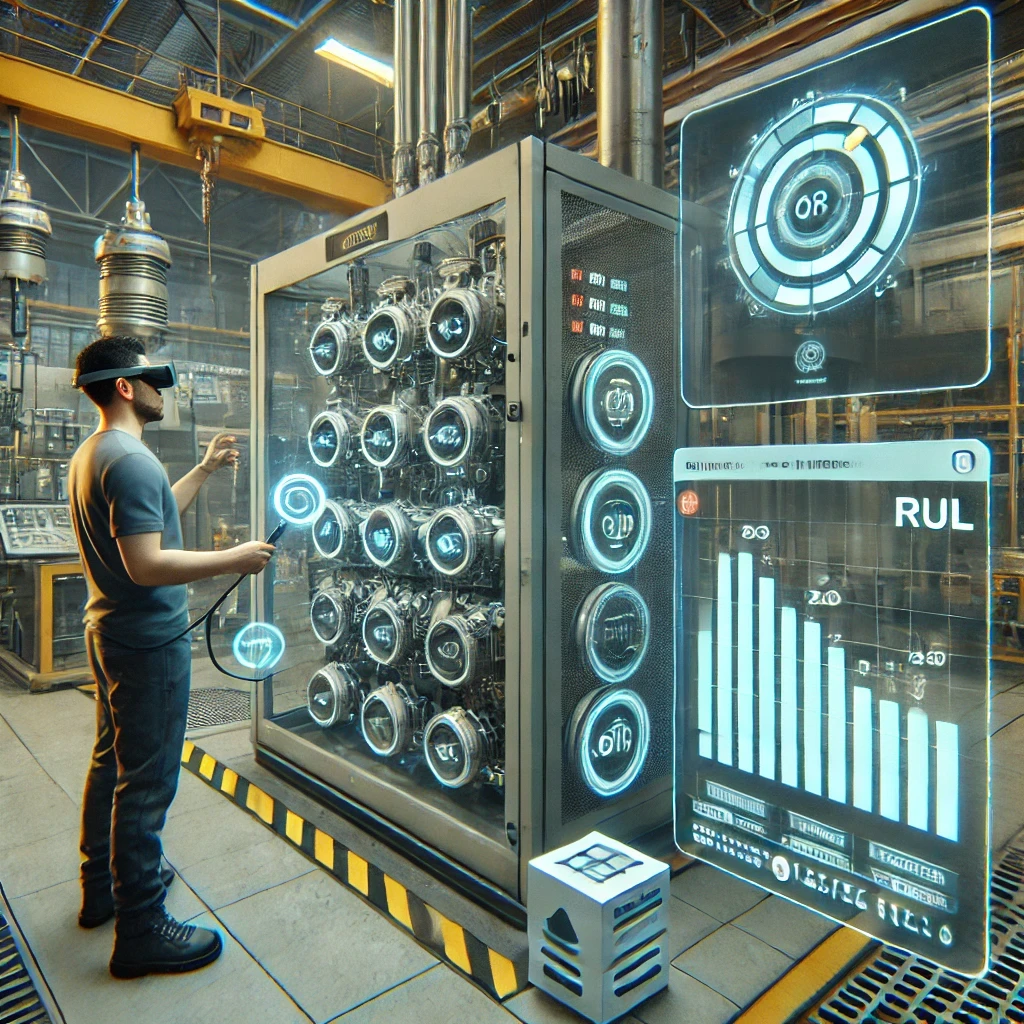
Augmented Reality Application Development for Equipment Health Monitoring
By Laboratory for Manufacturing Systems and Automation of Patras - Laboratory for Manufacturing Systems and Automation of PatrasThis lesson teaches learners how to design Augmented Reality (AR) applications for monitoring equipment health. They will learn to formulate microservices for AR-based monitoring, create data monitoring and visualization workflows, and develop AR modules that provide real-time monitoring of equipment performance.
Digital learning, Lesson -
 Intermediate
Introduction to MQTT
By Beia Consult InternationalMessage Queuing Telemetry Transport (MQTT) is a lightweight messaging protocol for Internet of Things (IoT), using a publish/subscribe model for efficient, real-time communication. Common uses include smart homes, industrial automation, and environmental monitoring.
Digital learning, Lesson- Quiz1
-
 Intermediate
Introduction to Time Series Databases
By Beia Consult InternationalTime Series Databases (TSDBs) efficiently store and retrieve time-stamped data for applications like IoT, monitoring, and finance. They come in SQL-based (e.g., MySQL, PostgreSQL) for structured queries and NoSQL-based (e.g., InfluxDB, MongoDB) for scalability and high-velocity data handling. The choice depends on data volume, query complexity, and scalability needs.
Digital learning, Lesson- Quiz1