

Type of course:
Digital learning, Path
Language:
EN
Duration:
50 minutes
Workload:
1 hour
Proficiency:
Intermediate
Target:
Professionals, Students, Workers
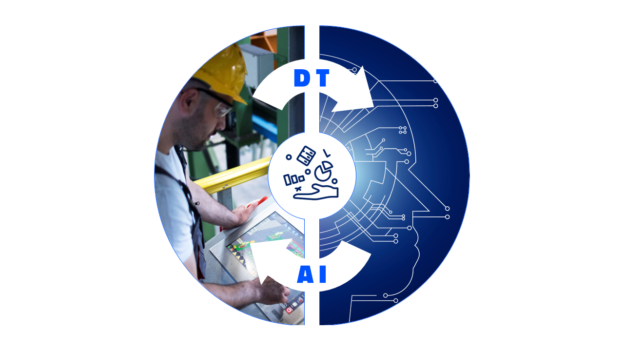
This learning path provides an understanding on the coupling of digital twins and artificial intelligence for a sustainable manufacturing environment, employing two process use cases. The general concept of artificial intelligence (AI) in manufacturing is introduced, together with the connection between sustainability key performance indicators (KPIs) and Digital Twins. In particular, Digital Twins are depicted, highlighting their role as key enabling technologies to monitor and optimize manufacturing processes, discussing how AI can augment their capability to improve decision-making. One use case, pertaining to quality control, is thus illustrated as example.
ABOUT THE AUTHOR
Cefriel is a Digital Innovation and Design Shop, based in Milan, with offices in New York, and London. Since its inception in 1988, Cefriel mission has been to help companies grow by exploiting digital technologies to create or reinvent their processes, products, and services, strengthen existing ties between the academic and business worlds through a multidisciplinary approach that innovates products and services with ICT and Design. Thanks to its distinctive operative model, Cefriel creates innovative solutions based on customer requirements and integrating the most recent scientific research results, the best technologies available on the market, the emerging standards and the reality of business processes.
Learning outcomes
- After completing this course, learners are able to describe the concept of Digital Twins and their key functionalities when coupled with Artificial Intelligence (AI)
- After completing this course, learners are able to predict how Digital Twins and AI can contribute to achieving sustainability goals in manufacturing
- After completing this course, learners are able to summarize the potentialities and limitations of coupling Digital Twins and AI in a manufacturing context
Topics
Digital Transformation, Sustainable Manufacturing, Artificial Intelligence (AI), Digital Twin
Tags
Digital twin
Provided by
-
Cefriel

Course Includes
- 1 Quiz
- 1 Certificate of achievement
Related
-
 Intermediate
Circularity and Information Sharing for Resilient Value Chains
By Faculty of Engineering of University of PortoThis lesson explores strategies for creating circular, sustainable value chains, emphasizing the importance of information sharing and collaboration to build resilience, particularly in critical sectors like automotive and electronics.
Digital learning, Lesson- Quiz1
-
 Intermediate
Augmenting Workers
By Faculty of Engineering of University of PortoThis lesson discusses technologies that enhance human capabilities in the workplace, such as exoskeletons and augmented reality, empowering workers to perform complex tasks more efficiently and safely.
Digital learning, Lesson- Quiz1
-
 Intermediate
Data Analytics for Energy Efficiency and Sustainability
By Faculty of Engineering of University of PortoThis lesson focuses on using real-time data analytics to optimize energy usage in industrial settings, reducing waste, and improving sustainability through smart energy management systems.
Digital learning, Lesson- Quiz1
-
 Intermediate
Digital Technologies Enabling Industry 5.0
By Faculty of Engineering of University of PortoThis lesson introduces key digital technologies driving Industry 5.0, such as AI, IoT, and cobotics, highlighting how they enhance efficiency, sustainability, and human-machine collaboration.
Digital learning, Lesson- Quiz1
-
 Intermediate
Introduction to Industry 5.0
By Faculty of Engineering of University of PortoThis lesson explores the evolution from Industry 4.0 to Industry 5.0, emphasizing human-centric, sustainable, and resilient manufacturing systems, where humans and advanced technologies co-create value.
Digital learning, Lesson- Quiz1
-
 Intermediate
Industry 5.0: Transition to Sustainable, Human-Centric and Resilient Manufacturing
By Faculty of Engineering of University of PortoThis course explores the evolution from Industry 4.0 to Industry 5.0, highlighting the shift towards sustainable, human-centric, and resilient manufacturing practices. Learners will gain a comprehensive understanding of Industry 5.0 fundamentals, focusing on its core principles and distinct differences from previous industrial revolutions. The course delves into the integration of advanced digital technologies, such as real-time data analytics and automation, to enhance energy efficiency and operational sustainability in industrial settings. Participants will learn to identify inefficiencies and propose value-driven improvements. Additionally, the course covers the application of human-robot collaborative systems, emphasizing intelligent collaborative cells that facilitate safe and efficient human-robot interaction, thereby contributing to enhanced resilience in manufacturing processes.
Digital learning, Path- Course Certificate
49 € -
 Intermediate
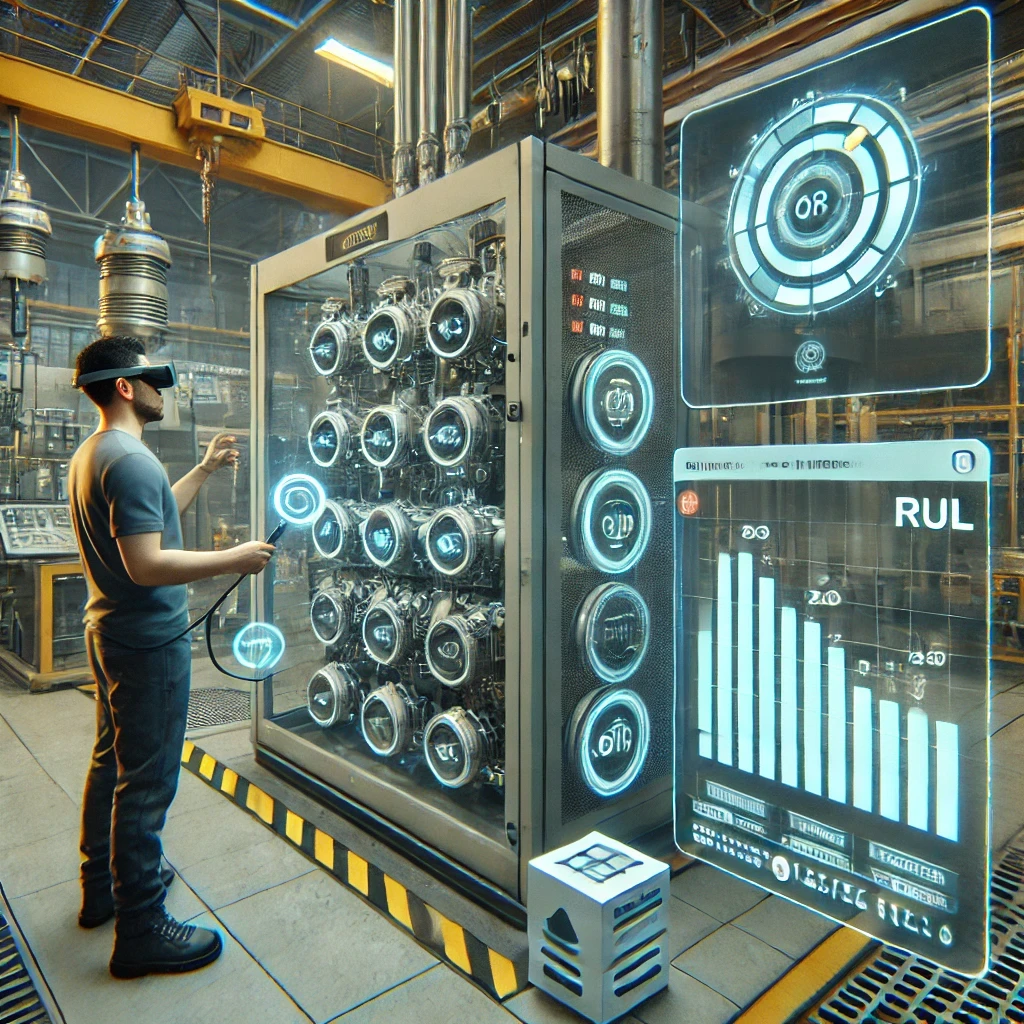
Augmented Reality Application Development for Equipment Health Monitoring
By Laboratory for Manufacturing Systems and Automation of Patras - Laboratory for Manufacturing Systems and Automation of PatrasThis lesson teaches learners how to design Augmented Reality (AR) applications for monitoring equipment health. They will learn to formulate microservices for AR-based monitoring, create data monitoring and visualization workflows, and develop AR modules that provide real-time monitoring of equipment performance.
Digital learning, Lesson -
 Intermediate
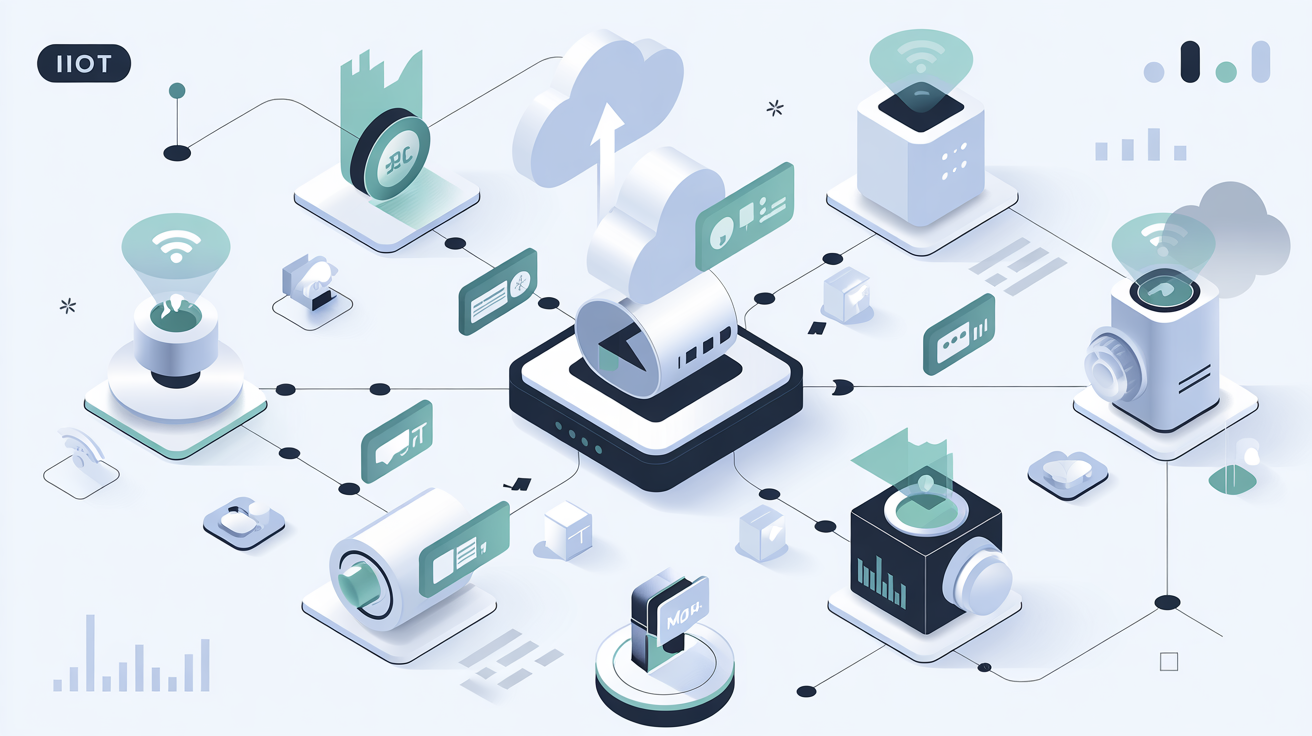
Introduction to MQTT
By Beia Consult InternationalMessage Queuing Telemetry Transport (MQTT) is a lightweight messaging protocol for Internet of Things (IoT), using a publish/subscribe model for efficient, real-time communication. Common uses include smart homes, industrial automation, and environmental monitoring.
Digital learning, Lesson- Quiz1
-
 Intermediate
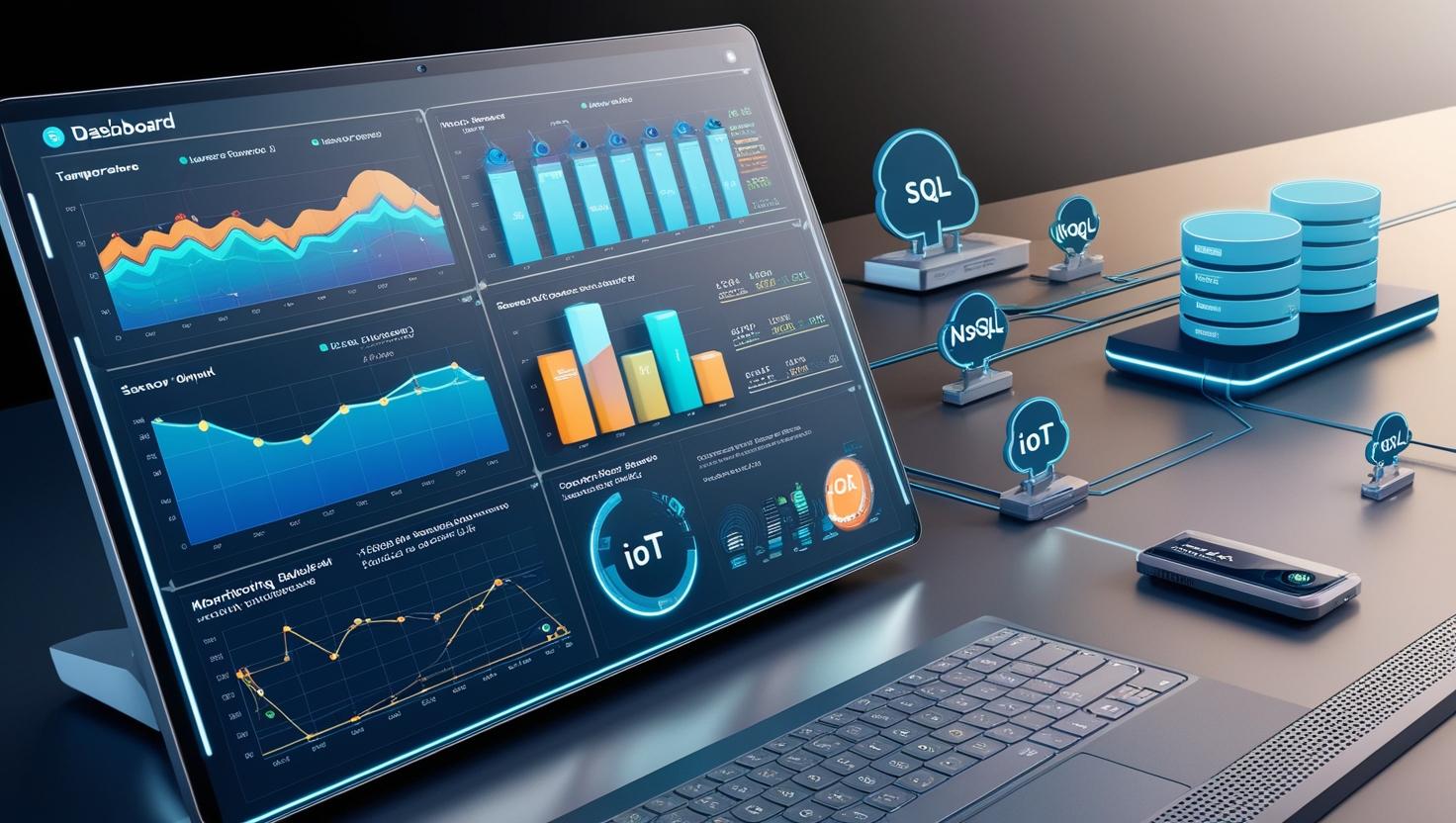
Introduction to Time Series Databases
By Beia Consult InternationalTime Series Databases (TSDBs) efficiently store and retrieve time-stamped data for applications like IoT, monitoring, and finance. They come in SQL-based (e.g., MySQL, PostgreSQL) for structured queries and NoSQL-based (e.g., InfluxDB, MongoDB) for scalability and high-velocity data handling. The choice depends on data volume, query complexity, and scalability needs.
Digital learning, Lesson- Quiz1
-
 Intermediate
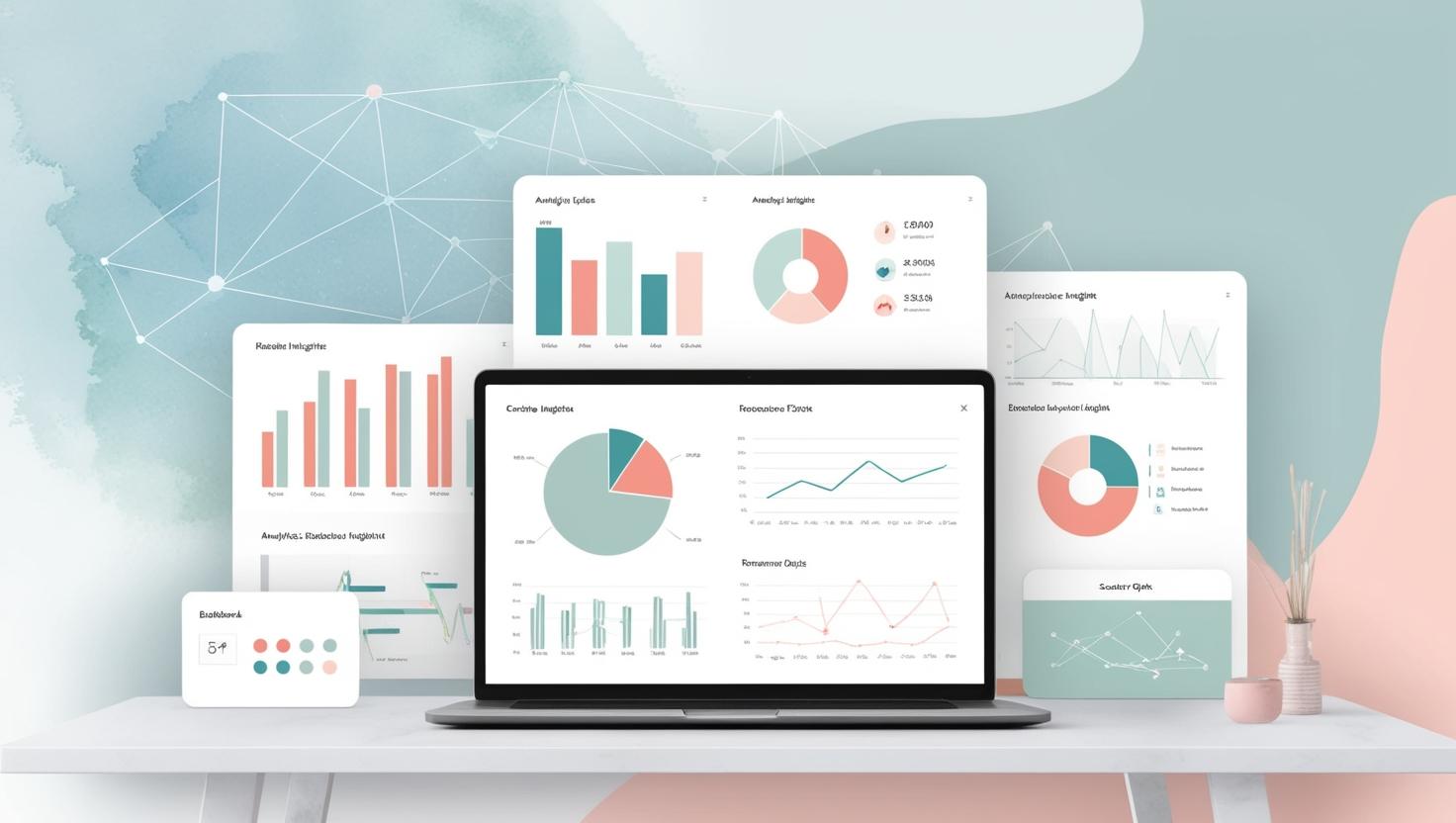
Introduction to Data Visualisation
By Beia Consult InternationalData visualization simplifies complex data through graphs, charts, and dashboards, enabling quick insights for decision-making. Grafana, a powerful open-source tool, supports real-time monitoring, interactive dashboards, and multi-source data integration for IoT, business intelligence, and analytics.
Digital learning, Lesson- Quiz1
-
 Intermediate
How Grafana Is Used in IoT Applications
By Beia Consult InternationalThis course explores how Grafana enhances IoT monitoring with real-time dashboards. Learn to integrate data sources, configure visualizations, and set up alerts for insights in smart homes, industrial IoT, and environmental monitoring.
Digital learning, Lesson- Quiz1
-
 Beginner
Track and Trace with Radio Frequency Identification
By JOANNEUM RESEARCHThis learning path is designed to provide students with an introduction to the concepts of Radio Frequency Identification technology for use in track and trace applications. This includes detailed explanations and descriptions of RFID readers, tags and Near Field Communication (NFC) technology.
Digital learning, Path- Course Certificate
49 €